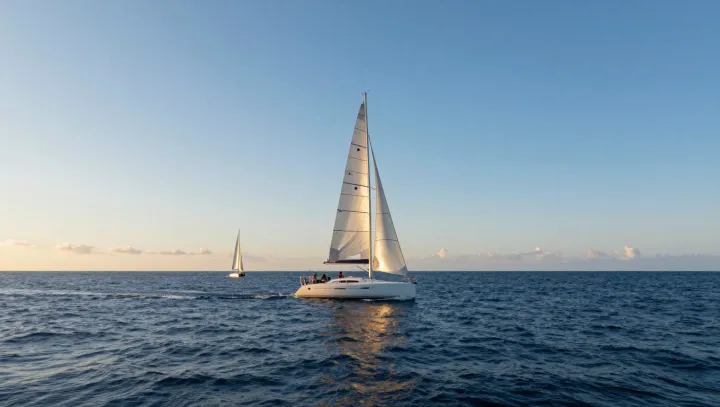
Spray off the bow makes one blunt claim: this is not a pleasure cruise. For elite programs, each outing doubles as strength session and experiment in fluid dynamics, because the same gust that loads the quadriceps also tests a sailor’s grasp of lift, drag, and moment. Every hike, trim, and roll becomes a data point in an ongoing study of how bodies and boats trade energy with unstable air and water.
The harsh truth is that coaches do not separate gym work from “thinking work” because the sport never does. Hiking straps turn core muscles into shock absorbers while sailors run real-time models of apparent wind and conservation of momentum, adjusting sail shape the way a trader adjusts exposure in a zero-sum market. Miss the load in a wave, misread a shift in pressure, and both heart rate and position on the course spike in the wrong direction.
Most striking, though, is how these sessions weaponize emotion. Programs treat stress hormones as just another variable, like current or heel angle, and build a closed-loop between mind and boat: rapid-fire mark roundings, penalty turns on command, deliberate exposure to crowded start lines. The aim is simple, almost ruthless. Under maximum lactate, with forearms burning and spray in the face, decisions must stay sharp enough to carve a lasting competitive moat.