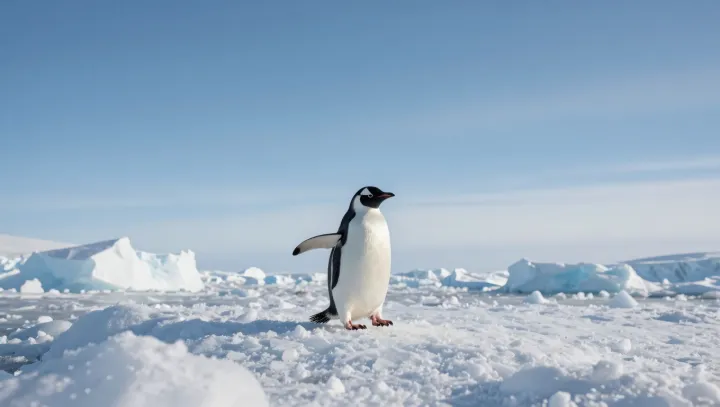
Survival, for this penguin, is not about temperature. Thick blubber, dense feathers and efficient counter‑current heat exchange let the birds shrug off ice and brutal sun alike, holding body chemistry steady while water and air swing wildly around them.
What fails instead is geography. As sea‑surface warming and shifting ocean currents drive sardines and anchovies farther offshore, and industrial trawlers skim those same schools, the species’ entire breeding strategy misfires. Adults evolved to nest on land and commute to nearby feeding grounds, timing trips so chicks get regular, calorie‑rich meals and adults can still maintain their own basal metabolic rate. Stretch that commute by tens of kilometres and a tight energy budget collapses: birds burn fat just to reach prey, return later, and deliver less food.
Near threatened status follows that arithmetic, not some sudden fragility. Longer foraging distance means lower chick survival, smaller cohorts of recruits, and colonies that look stable until several poor prey seasons align. Add by‑catch and habitat disruption from fishing gear, and a robust thermal physiology becomes irrelevant to population dynamics. A bird engineered for cold and heat is now tested instead by time and distance, stranded between a fixed nest and a moving lunch line.