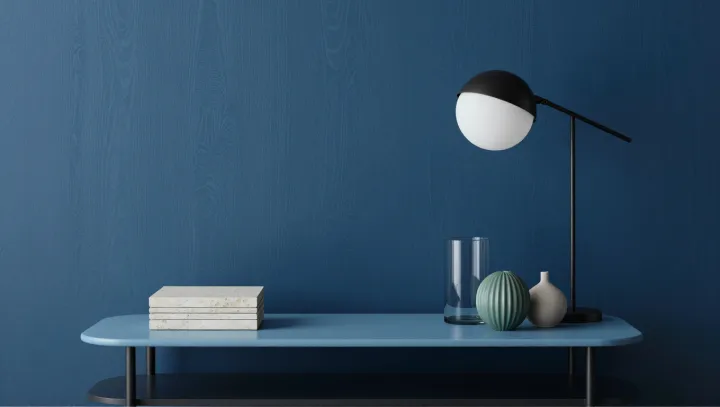
Wall color cheats the clock. Not the one on your phone, but the one buried in neural circuits that estimate duration and decide when a moment is dragging or flying. When neuroscientists talk about this, they point first to how color shifts arousal and attention, two levers that the brain’s internal timing systems treat as input signals, not background décor.
Red walls, researchers argue, load the system. High-saturation warm hues raise physiological arousal, boosting heart rate and activating the locus coeruleus–norepinephrine system, which in turn sharpens attention to each passing instant. More events get stamped into working memory. More micro-changes are noticed. The result: the same clock-defined interval contains a denser stream of perceptual “ticks,” so subjective time feels stretched, even though the external minutes are identical.
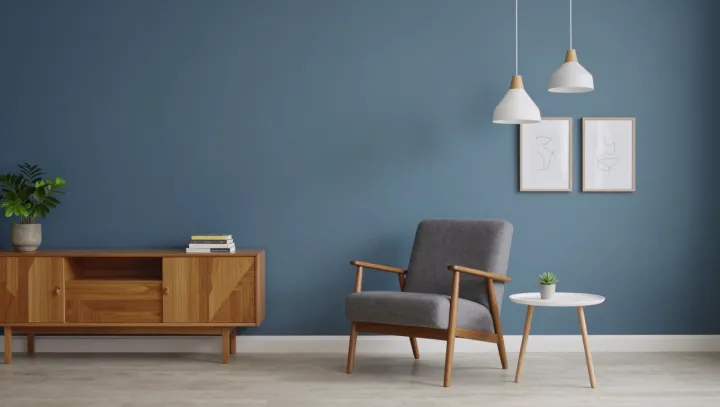
Soft blues and desaturated greens tend to do the opposite. They damp arousal, relax autonomic responses, and reduce the rate of salient sensory updates reaching the prefrontal cortex and the basal ganglia circuits implicated in interval timing. With fewer internal markers laid down, the period feels lighter, thinner, underfilled. Add in visual complexity—busy patterns versus flat color—and the visual cortex either hums with processing or idles. What changes, neuroscientists insist, is not time itself but the brain’s count of meaningful moments inside it.