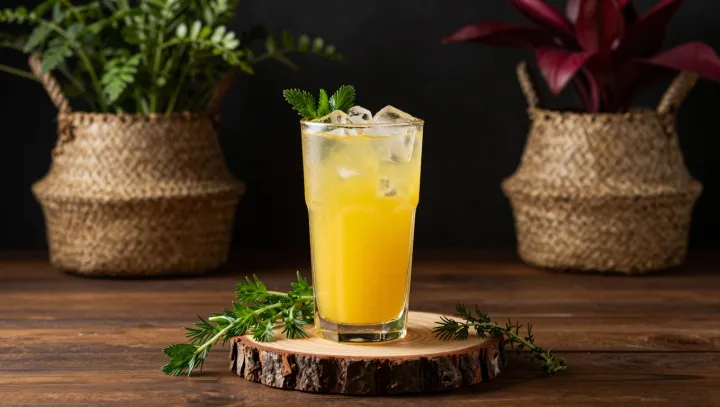
An orange in a glass behaves less like fruit and more like liquid candy. Same molecules, yes; radically different delivery system, also yes. Once the segments are shredded into juice, the physical matrix that slowed everything down is gone, and with it much of the body’s natural speed limit on glucose entry into the bloodstream.
The harsh truth is that structure, not ingredients, runs this story. Intact cell walls and pectin-rich fiber form a gel-like mesh that delays gastric emptying and forces digestive enzymes to work slowly, so glucose diffusion and intestinal absorption stay relatively gradual. Pulverize those cells into juice, and you remove most of the chewing, thin the fiber network, and expose a far larger surface area of soluble sugars to amylase and transporter proteins in the small intestine.
What follows is a metabolic sprint. Liquid empties from the stomach faster than solid food, so glucose and fructose hit the proximal small intestine in a dense wave, triggering a steeper rise in blood glucose and a stronger insulin response, even though total carbohydrate and fructose content are identical. Eat the orange, and mastication, viscosity, and intact cellular architecture act as friction. Drink it, and you trade that friction for speed.