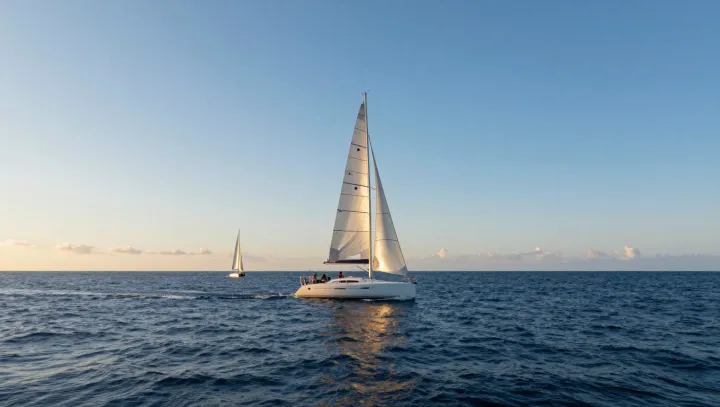
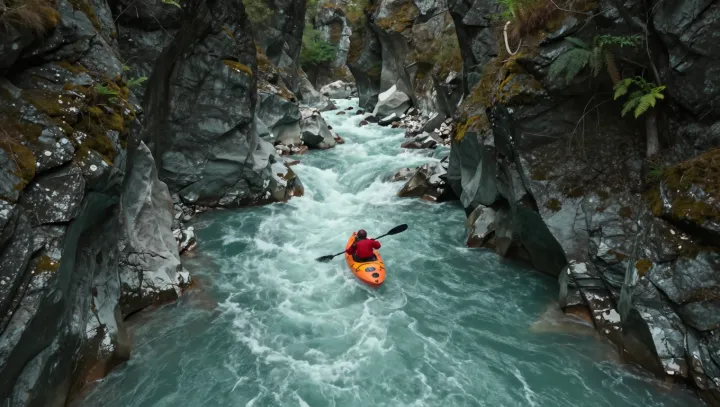
Calm water lies. Beneath its glassy surface, the human brain runs a survival script written for violent currents, yet it executes the same code when a paddle slices through a placid lake, paying out chemical rewards as if cliffs and whirlpools waited around every bend.
The blunt truth is that the brain pays for efficient movement, not drama. Each stroke recruits motor cortex, cerebellum, and basal ganglia in a closed feedback loop that tightens timing, force, and trajectory. When prediction and outcome match, dopaminergic neurons in the ventral tegmental area fire, reinforcing the stroke pattern exactly as they would in a life-or-death sprint through whitewater, because the circuitry encodes success, not scenery.
Balance feels addictive on a kayak for the same reason a narrow cliff path once felt necessary. The vestibular system and proprioceptive inputs constantly model body orientation against the unstable hull. Micro-corrections keep the center of mass over water, and each avoided wobble is tagged by the striatum as a tiny survival win, even if the penalty for error is only a mild splash instead of hypothermia or drowning.
There is also a quiet tyranny of distance. Repetitive, goal-directed propulsion over open water is exactly the locomotor pattern that once decided whether humans reached food, allies, or shelter. Cardiovascular strain, rhythmic torso rotation, and coordinated limb extension together drive endogenous opioids and endocannabinoids, giving flat-water paddling the neurochemical profile of a successful migration, not a weekend workout.