
Why 60,000 fans barely touch one penalty

A stadium’s deafening pressure hijacks a player’s brain as if danger were near, while the ball’s trajectory stays almost entirely ruled by simple mechanics.

A stadium’s deafening pressure hijacks a player’s brain as if danger were near, while the ball’s trajectory stays almost entirely ruled by simple mechanics.

A frozen winter lake, with its broad, imperfect ice sheet and shifting air layers, reveals angle, polarization, and scattering in ways a narrow, polished mirror cannot.
2026-07-24

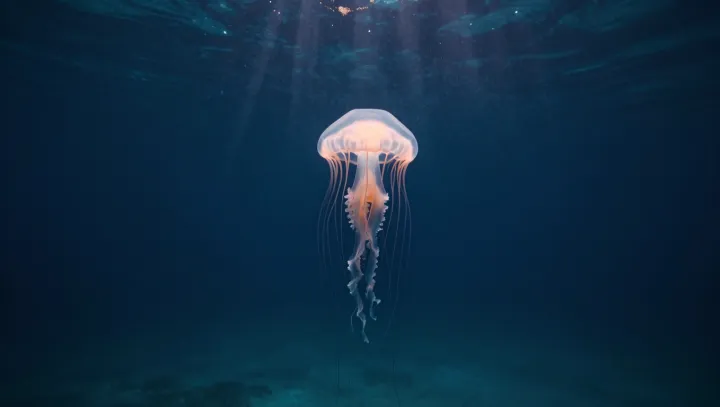
Jellyfish achieve coordinated, efficient swimming without a brain by using decentralized nerve nets, biomechanical resonance and vortex dynamics built into their elastic, bell-shaped bodies.
2026-07-24

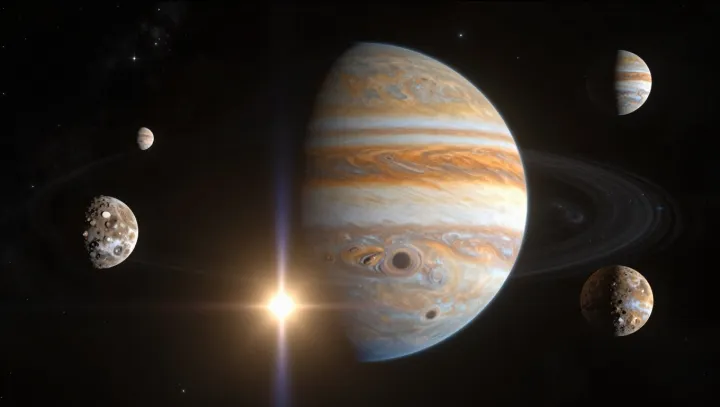
A star‑skimming gas giant can keep multiple moons stable by forming far out, migrating inward, and locking them inside its own gravitational and tidal zone.
2026-07-23

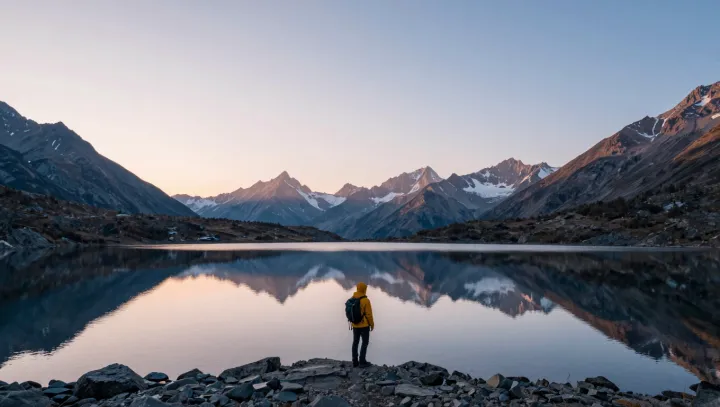
Quiet immersion in a still mountain lake scene can recruit social bonding networks, easing loneliness by engaging theory-of-mind and default mode circuitry without another person present.
2026-07-27

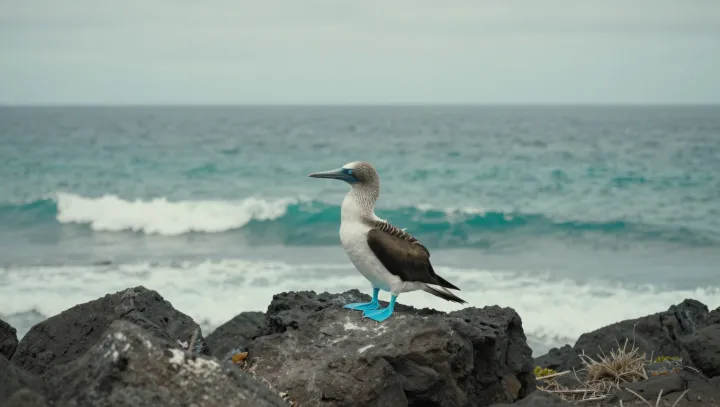
The blue-footed booby’s vivid feet serve as both a land-based sexual signal and a low-cost, low-risk tool for hunting at sea, shaped by visual physics and mate choice.
2026-07-21

Warm light and tactile, natural materials regulate stress circuits more directly than buying a new sofa, which mostly targets status and visual novelty.
2026-07-24

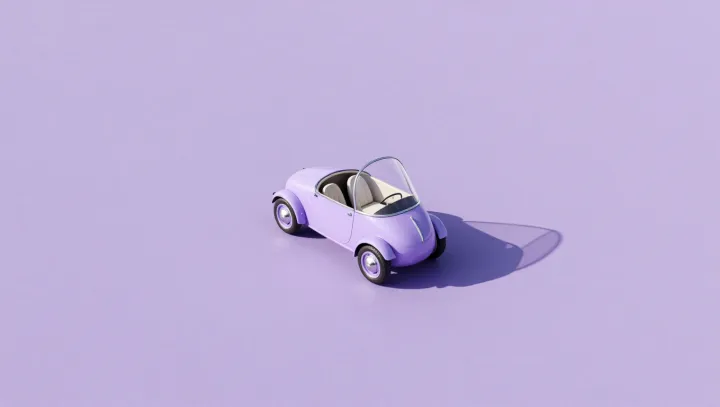
Pastel bubble microcars looked like toys but arose from strict fuel, tax and engineering constraints, using three-wheel layouts and domed cabins to squeeze real car utility into minimal mass.
2026-07-28

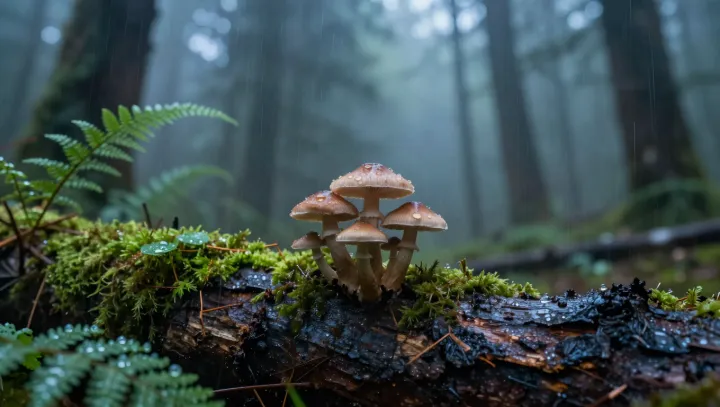
A dead log, through water retention, microbial decay and thermal inertia, becomes a cooler, wetter microhabitat where fungi and moss flourish after nearby air has dried out.
2026-07-16

A small, repeatable bedtime cue calms the stress system more reliably than a full renovation by training the brain’s threat circuits night after night.
2026-07-17

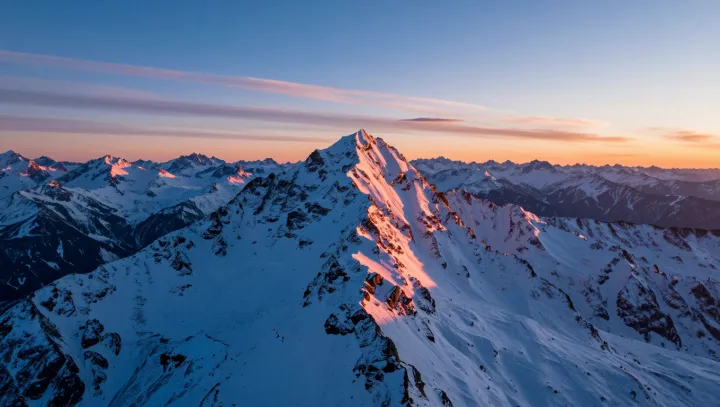
Snowy peaks flare pink and gold at sunrise because long slant paths through the atmosphere scatter blue wavelengths away, leaving red and orange light to paint the mountains.
2026-07-23