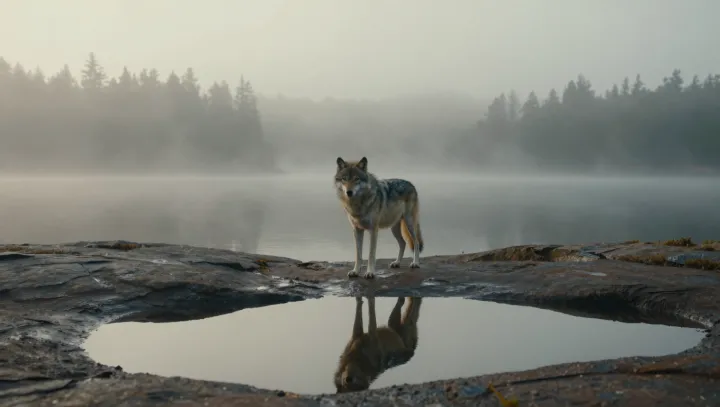

Cold river stone, not the predator, is often the first real enemy a small wild dog beats. On exposed banks, a compact frame trims surface area, so less body tissue bleeds heat into damp air and frozen rock. Basic thermodynamics, especially surface-area-to-volume ratio, suddenly favors the underdog, because a slightly rounder, denser body holds warmth longer between scarce meals.
Size, here, stops being about strength and starts being about friction. Shorter limbs and lighter mass drop ground reaction forces, so joints take fewer punishing shocks on jagged boulders. A small torso threads between rocks, reeds, and driftwood that would stall a heavier body, cutting the risk of musculoskeletal injury that can end a hunter’s career without a single visible wound.
Energy economics then tilt even further. Lower absolute metabolic demand means a small dog can keep core temperature within a safe range while spending fewer calories on shivering thermogenesis. That savings buys time to scout, to rest in narrow crevices where wind chill weakens, and to sprint only when a chase matters. On a harsh river margin, survival is less about dominance and more about fitting the gaps the landscape leaves open.