
Why a dog misses most of the meadow’s color

A dog in bright wildflowers ignores most blooms because attention networks, not eyes, decide which signals from the retina reach conscious vision.

A dog in bright wildflowers ignores most blooms because attention networks, not eyes, decide which signals from the retina reach conscious vision.

Texture, fat distribution, and toppings like pine nuts and bread explain why a vegetable-heavy basil soup can feel as rich and satisfying as creamy pasta.
2026-07-16

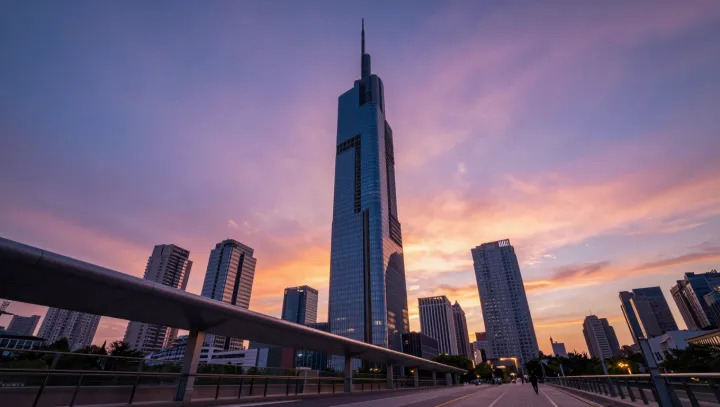
Glass towers should roast at sunset, yet they stay habitable. Selective glazing, spectrally tuned coatings and active HVAC systems turn facades into controlled filters, not giant greenhouses.
2026-07-24

Experienced fox keepers abandon birthday-based feeding charts and move to winter rations as soon as fur density, fat cover, and snow activity reveal the real metabolic curve.
2026-07-24

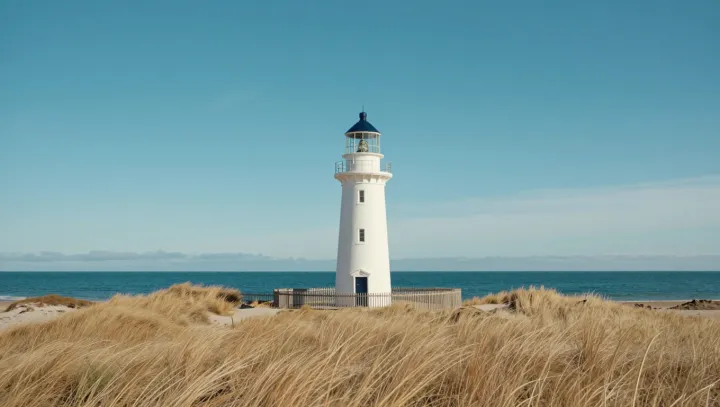
Traditional masonry lighthouses outlast modern coastal buildings because their mass, shape, and structural continuity turn wind and waves into manageable compressive forces.
2026-07-28

A lone pale sand dollar on dark, rippled sand acts like a visual outlier, grabbing attention through contrast, texture segmentation, and low-angle illumination that amplify early neural computations.
2026-07-29

Hawking radiation suggests black holes are not eternal; over immense spans they lose mass, scramble information and end as a faint burst, leaving a colder, emptier cosmos.
2026-07-23

A loose dress and small vest can fake a sharper waist and taller frame by steering vertical lines, color blocks and golden‑hour highlights along the body’s visual axis.
2026-07-22

Sea haze works like a vast optical filter: microdroplets and particles scatter and absorb short blue wavelengths, letting longer reds and oranges dominate and ignite the ocean sunrise.
2026-07-20

A single silent station circling a dead world matches real aerospace economics, human factors, and logistics far better than crowded sci‑fi megacities in orbit.
2026-07-17

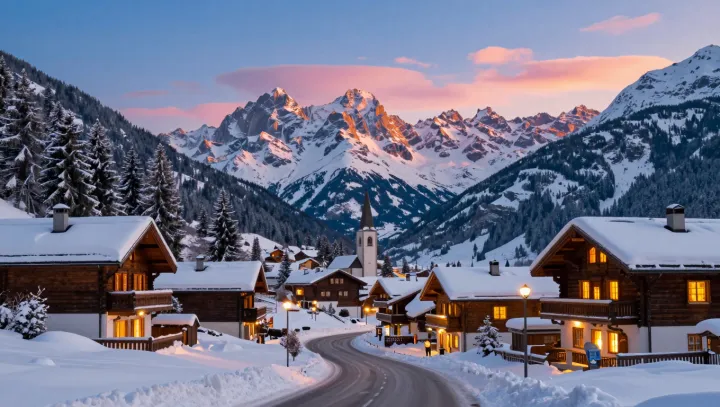
A snow‑covered Alpine resort appears unusually bright in night‑time satellite images because winter tourism, reflective snow and energy habits concentrate artificial light into a compact, high‑contrast footprint.
2026-07-17