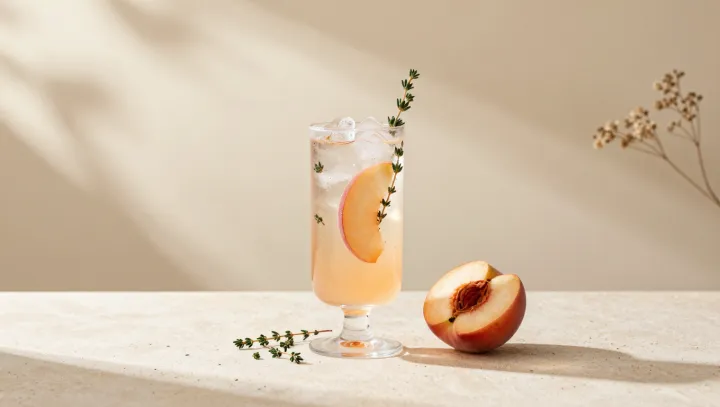
A glass that looks harmless on your desk can behave like a lab experiment against your teeth. Citrus slices, berry mash, even a splash of juice turn plain water into a weak acid bath, and enamel, a mineral tissue rich in hydroxyapatite crystals, does not negotiate well with acid exposure that never really stops.
The uncomfortable truth is that chemistry, not branding, decides whether a drink erodes enamel. Once the pH drops below about 5.5, the oral environment favors demineralization, the process in which hydrogen ions pull calcium and phosphate out of enamel’s lattice. Fruit-infused water, especially with lemon or lime, often hits that zone, and when you sip it every few minutes, you reset the clock before saliva can restore neutral pH and promote remineralization. Short contact is one thing. All‑day micro‑sipping is another story entirely.
Dentists argue that sipping pattern can matter more than the label on the bottle. A standard soft drink taken with a meal exposes enamel to a sharp, time‑limited hit of acid and sucrose. A bottle of fruit water nursed for hours creates a low‑grade, recurring acid challenge, with residual fructose feeding oral bacteria that generate additional organic acids through carbohydrate fermentation. Saliva, the mouth’s built‑in buffering system, never gets a long break to clear acids or supply calcium and phosphate back to the surface. What looks like a wellness habit can, under a microscope, resemble slow, preventable damage.