
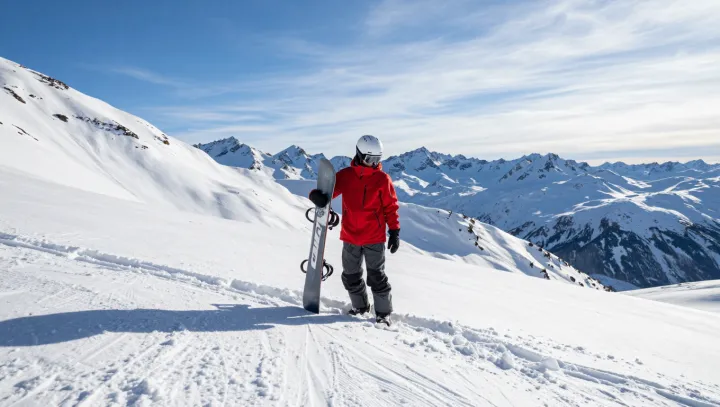
The same biochemical surge that ruins a commute can light up a climbing wall. Heart racing, palms damp, pupils wide; the signature of stress looks almost identical on a lab readout whether a person is stuck in traffic or stepping onto a bungee platform, yet the brain often labels one as torment and the other as thrill.
The counterintuitive key is that stress is not one signal but two. Adrenaline and cortisol mobilize glucose, raise blood pressure, and prime the amygdala for threat detection, but only in certain contexts are they tightly coupled to dopamine release in the mesolimbic reward circuit. When a challenge is voluntary, expected, and bounded, the prefrontal cortex predicts high effort with acceptable risk, so a spike in arousal is interpreted as progress toward a goal rather than danger.
What feels rewarding is not the chemical itself but the prediction error it generates. If the actual outcome of a self-chosen ordeal is slightly better than forecast, dopaminergic neurons in the ventral tegmental area fire more intensely, reinforcing the behaviors and memories linked to that state of strain. Forced stress, by contrast, carries low perceived control and negative expectancy, so the same hormonal profile is tagged as a warning, strengthening avoidance circuits instead of approach.
Adventure sports, demanding exams, even brutal endurance events all exploit this bias. By wrapping intense sympathetic arousal in choice, narrative, and clear rules, they coax the brain into pairing stress physiology with reward learning, teaching it that fear plus agency can equal satisfaction.