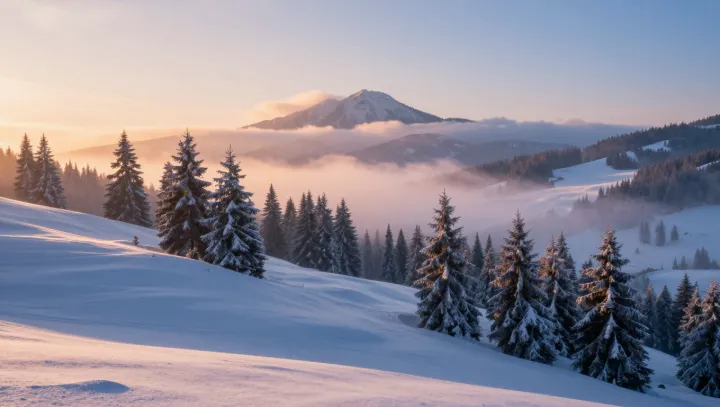
White slopes lie motionless, yet nothing here is truly still. Beneath the frozen surface, Italy’s high Alps run a tight water schedule, coordinating storage and release with a precision that big dams can only imitate at smaller scale.
This apparent calm is, in fact, a giant buffer. Snowpack acts as a seasonal reservoir, its density and albedo setting how much solar radiation it absorbs, while cirque glaciers and firn layers provide longer‑term storage that spans many melt cycles and drought spells downstream.
The real surprise is how actively this system edits timing. As temperatures rise, meltwater percolates through snow, then through fractured bedrock and talus cones, where porosity and hydraulic conductivity delay its arrival into rivers, smoothing floods into steady baseflow that cities and farms rely on.
Hidden in that silence is also an energy grid. Gravity channels meltwater into hydropower intakes, converting potential energy into electricity, while aquifers recharge drinking supplies; what looks like a static postcard is, in hydrological terms, a finely tuned production line.