
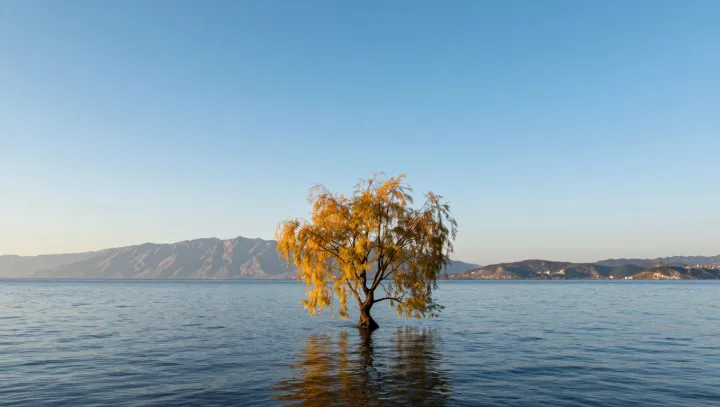
Water is not the real threat here; oxygen is. Mangroves and bald cypresses survive long submergence because they run an air supply system, not because their roots tolerate suffocation. Around their trunks, swollen bases and buttress roots rise like low walls, exposing bark that lets gases diffuse between air and internal tissue even when lower roots sit in anoxic mud.
Most of the work is structural, not mystical. Mangroves grow pneumatophores, those vertical, pencil‑like roots that poke above the tide and act as snorkels feeding air into a network of aerenchyma, the spongy tissue riddled with large intercellular spaces. Inside that porous lattice, diffusion and partial pressure gradients push oxygen downward to submerged root tips, where mitochondria maintain aerobic respiration instead of switching to inefficient fermentation that would damage cells.
Bald cypresses take a different bet but chase the same goal. Their so‑called knees jut from the flooded soil, increasing surface area for gas exchange and linking to internal air canals that bypass stagnant water. Enzymes ramp up antioxidant defenses, limiting toxic by‑products such as ethanol and reactive oxygen species. What looks like a simple swamp silhouette is in fact an engineered compromise between buoyancy, carbon storage, and the nonstop need to breathe below the waterline.