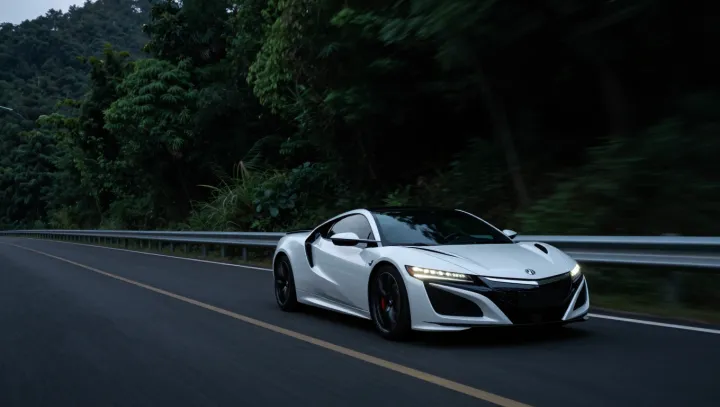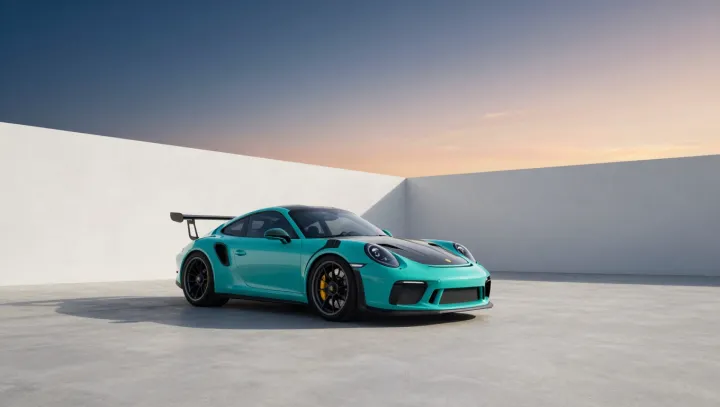
Wind wins the argument. With the roof removed, peripheral motion floods the visual field while turbulent airflow strikes skin and helmet, making a familiar velocity feel less like transport than exposure. The engine gains nothing. Aerodynamic drag can rise, and the speedometer reports the same number even as noise and vibration turn the cabin into an amplifier.
Brains buy the illusion. Optic flow works like an overclocked sensor bus: road edges sweep through the visual field as faster-moving texture cues, while the vestibular system registers gust-driven head movement and cutaneous mechanoreceptors report pressure changes. The signal feels urgent. Vehicle dynamics remain unchanged: an open cockpit does not automatically alter power, gearing, tire grip, or chassis balance; it changes the sensory evidence used to judge risk. The body votes first. That is why a slower open machine can feel more ferocious than a faster enclosed one, even when both cover the same road in the same interval.
That distinction matters. Designers who call exposure performance are selling an honest sensation under a misleading label, because the missing roof raises sensory workload without creating propulsion. Feeling fast is cheap. Actual pace still depends on power-to-weight ratio, traction, braking, and aerodynamic efficiency, none of which a missing roof supplies; added drag can impose a penalty. Automation will leave exposure analog. As driver-assistance systems filter more noise, motion, and correction from travel, exposed cars may market the unprocessed feed as a scarce form of control.