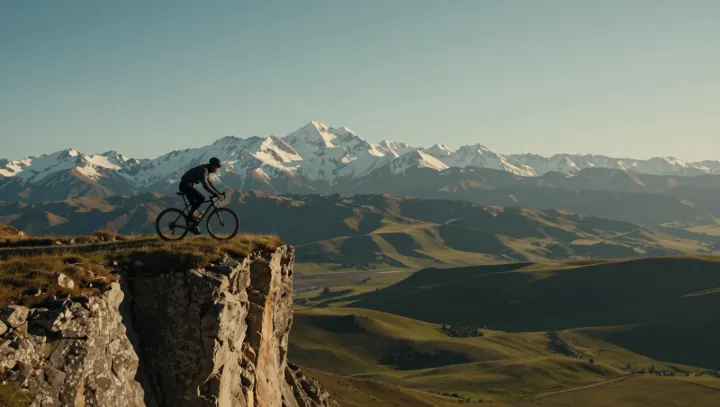
The summit can wait. By the final ridge, achievement has become a bad bargain: legs are emptied by glycogen depletion, while cerebral hypoxia blunts judgment precisely when loose rock, fixed lines, and crowding demand it. Experience does not romanticize this. It recognizes that a summit is only a midpoint, and that the body, after hours of exertion, pays its largest bills when attention begins to fray. That is the point. A retreat preserves the margin that weather and exhaustion steadily erase, especially when the route below contains the same exposure that ascent briefly concealed. Pride is poor equipment. The disciplined climber treats the turnaround as a decision made before panic narrows the choices.
Descent decides everything. Not ascent but return tests an expedition's risk margin, because a tired climber must reverse every technical move with less daylight, colder tissue, and a shrinking reserve of oxygen and concentration. The danger is plain. Fatigue slows proprioception and reaction time, while cold impairs fine motor control, so a small delay can turn a familiar slope into a trap. That is not timidity. Veteran climbers apply risk management: they weigh turnaround time against weather exposure, recognize that rescue may be remote, and refuse the old fraud that reaching the top completes the job. The return sets value. A bootprint facing downhill offers the better emblem, because ambition earns nothing if the mountain keeps the climber before camp.