
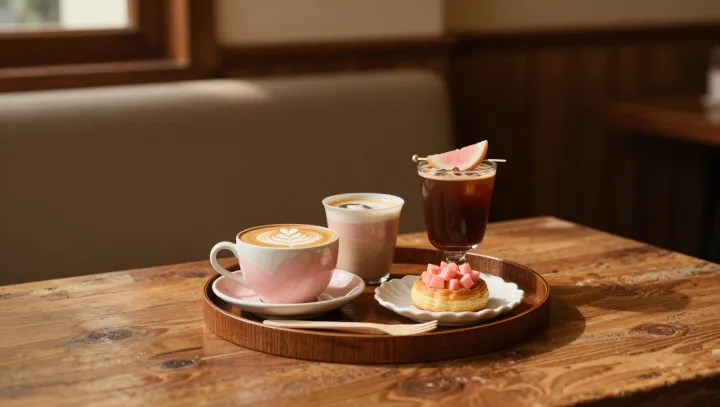
A dark espresso beside a glazed tart makes a sharper argument than either could make alone: sugar does not erase bitterness, but it shifts the palate's reference point, allowing roast notes to register as cocoa, walnut, or dried fruit rather than simple abrasion. The trick is contrast. In gustatory contrast, sweetness can reduce perceived bitterness while preserving the coffee's body and aftertaste. No minor correction.
The pairing is more exacting than comfort-food folklore suggests, because aroma supplies a second channel of evidence after the first sip and bite. Aroma carries the deal. During retronasal olfaction, volatile compounds released in chewing move from the mouth toward the nose; when pastry and coffee share roasted, nutty, or fruity molecules, the brain may bind those signals, making each side seem more layered. Call it sensory cross-talk. A plain cookie can expose a coffee's fruit, while a buttery one can pull forward its toasted register.
Rarely is the best match the sweetest dessert available; it is the one that applies pressure in the right place, giving coffee enough contrast to speak without burying it. Balance beats disguise. A bright brew can sharpen berry filling, while caramelized pastry can give a lean roast apparent depth; the foods do not become different substances, yet attention, expectation, and aroma revise what the tongue reports. Overloaded sugar flattens the cup. On the saucer, opposition acquires manners, and pleasure gains an editor.