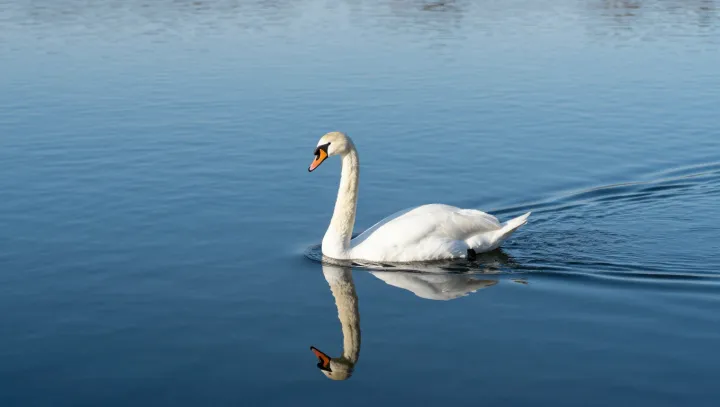
Feathers, not stories, built the reputation of swans as emblems of lifelong love. Behind the soft-focus image sits hard behavioral data: many swan species form long-term pair bonds that outlast multiple breeding seasons and, in some cases, extend until one partner dies.
Romantic, this is not; it is strategy. Field studies in ornithology show that mute, whooper, and trumpeter swans often retain the same partner across repeated nesting attempts, a pattern labeled social monogamy rather than sentimental attachment, yet the effect for observers looks indistinguishable from devotion. Pairs that stay together re-use territories, synchronize courtship displays with striking precision, and defend nest sites as coordinated units, which reduces energy expenditure and raises fledgling survival in demanding wetland habitats.
Misleading is the idea that every swan couples for life. Genetic analyses using DNA paternity testing reveal rare extra-pair copulations and occasional “divorces,” usually after failed breeding. What holds overall, though, is that fidelity yields clear fitness benefits under the pressures of territoriality and biparental care, where both male and female must invest heavily in incubation and cygnet protection. From that austere arithmetic of survival, the human story of perfect, unbroken love was later stitched.