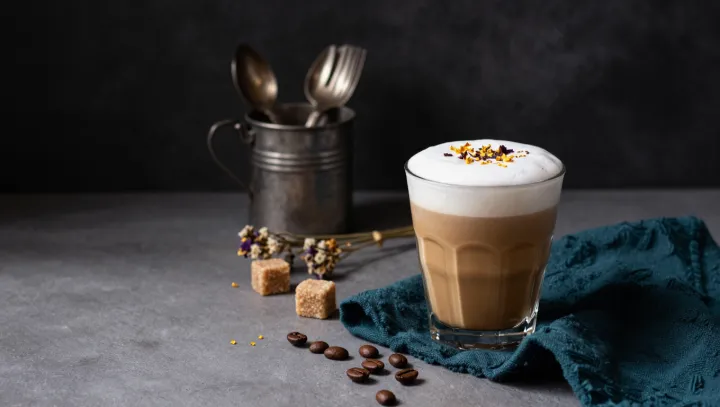
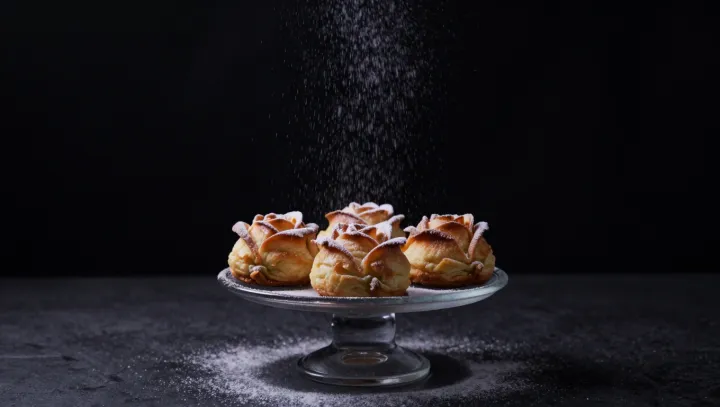
This plate of five desserts hides a quiet rebellion against sugar. At first glance, each item looks routine pastry‑case fare, yet one of them has been re‑built from its molecular scaffolding up so that it seems more indulgent while keeping its nutrition label almost unchanged.
The boldest move here is not more chocolate or cream but thermodynamics. Food technologists have tuned the dessert’s fat crystallization profile so it begins to soften just below oral temperature, then finishes melting a few degrees higher, a narrow window that maximizes flavor release and stimulates sweetness receptors through longer contact with dissolved sugars and volatile aroma compounds.
Behind that small sensory trick sits serious industrial intent. By exploiting phase transition curves and rheology instead of extra sucrose, brands can leverage texture as a competitive moat in a category squeezed by regulation and consumer fatigue with reformulation, creating a kind of closed-loop feedback where mouthfeel, not sheer sugar load, drives perceived reward.
Skeptics call this cosmetic, yet the physics suggests otherwise. When fat networks are engineered to fracture and flow at a targeted temperature range, they carry aroma molecules more efficiently across the retronasal pathway, which in controlled trials has allowed sugar cuts while panels still rate the dessert as equally rich, or even slightly more luxurious on the tongue.