
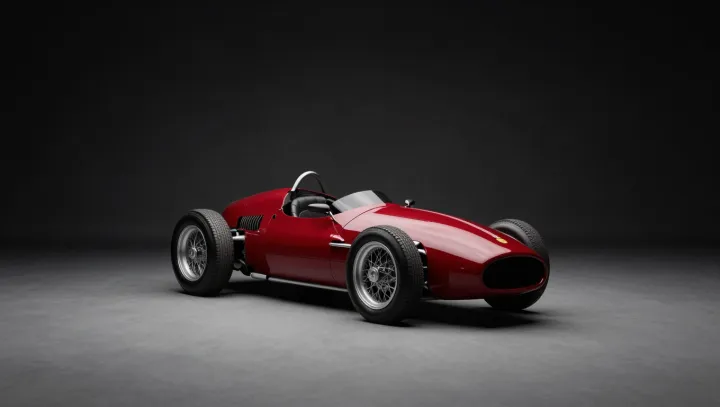
A small displacement V12 sounds like a mistake for a performance car, yet the Ferrari 125 S turned that paradox into an engineering signature. Under its narrow bonnet sat a 1.5‑liter twelve‑cylinder unit, chosen not for romance but for a hard constraint: racing categories that capped displacement and rewarded efficiency per cubic centimeter.
The real bet was simple: more cylinders, less swept volume per piston. That layout shrank reciprocating mass, allowed lighter pistons and shorter strokes, and opened the door to higher crankshaft speeds before destructive inertia and bearing loads set in. With each combustion event smaller, combustion chambers could be compact, flame travel shorter, and volumetric efficiency improved through higher valve area relative to cylinder size.
Seen from today’s spec‑sheet culture, the 125 S looks underpowered, yet its architecture reads like a first draft of the modern exotic engine. Multi‑cylinder, oversquare geometry, high specific output, and a willingness to sacrifice brute torque for rev ceiling and throttle response; those design choices echo through later Ferrari V12 units and many competitors. What began as a rule‑book workaround became the default grammar of the high‑revving supercar engine.