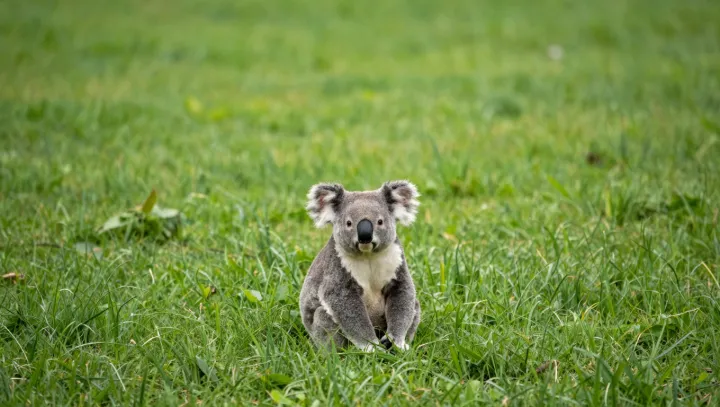
Heavy eyelids and a vacant stare look like evolutionary failure. For koalas, they signal a radical trade: intelligence and speed sacrificed so a small body can run on toxic eucalyptus leaves. Natural selection stripped away energetic luxuries and left a slow, tightly budgeted mammal.
The key decision was metabolic austerity. Koalas show low basal metabolic rate and reduced brain mass relative to body size, which slashes glucose demand and oxygen use. With so little surplus energy, long sleep is not laziness but an enforced shutdown that limits movement, heat loss and neural firing while the gut processes leaves that offer scant calories.
Their strange diet is not stupidity, either; it is specialization. Eucalyptus foliage carries phenolic compounds and terpenes that most herbivores avoid. Koalas counter with enlarged cecum and colon, dense microbial fermentation and hepatic detoxification pathways based on cytochrome P450 enzymes. Those systems convert bitter, mildly poisonous fiber into enough volatile fatty acids to sustain life, though not athleticism.
Social complexity paid the price. A brain tuned for foraging in a narrow ecological niche needs less cortical real estate for problem solving or flexible behavior. Hence the meme of the “dumb” koala. What looks like incompetence is a near-locked ecological contract: sleep long, move little, eat what others cannot, and survive on the margins.