
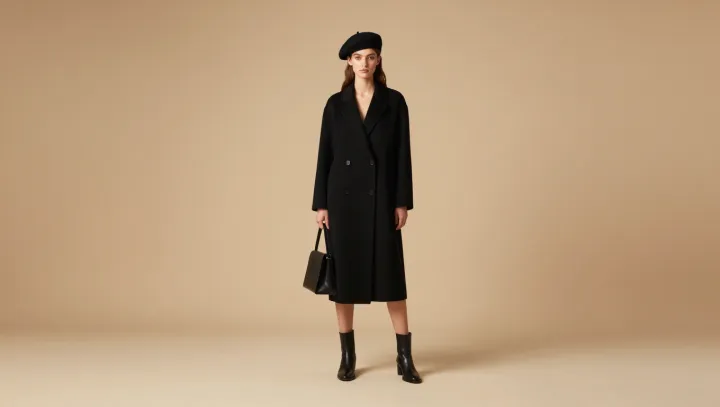
A single blazer carries more power than an entire overstuffed closet. Sharp shoulders, clean lapels and a dark neutral tone instantly signal structure, so colleagues read hierarchy before you say a word, a response rooted in basic visual psychology and the way the brain ranks straight lines over soft curves as “in charge.”
Yet authority alone is lazy; the real magic is how tailoring can soften itself. Slightly rounded lapels, a fabric with a hint of texture, and a fit that traces but does not choke the torso lower interpersonal distance, mimicking the comfort cues of knitwear while still sitting square in any corporate dress code. People lean in, not back.
The bolder claim is that the same jacket can dial up sex appeal without flashing a single extra inch of skin. A nipped waist, a subtly raised button stance and sleeve length that exposes a sliver of wrist frame the body the way good architecture frames light, directing attention to movement and proportion rather than cleavage or hemlines, which keeps HR perfectly calm.
Cost, though, is where most professionals miscalculate. One mid‑range blazer in a breathable wool blend, tailored twice—once off the rack, once after a month of wear—often outperforms five cheaper jackets measured in cost‑per‑wear, versatility across meetings and after‑work events, and the one metric that never appears on a receipt: how seriously your voice lands when you walk into the room.