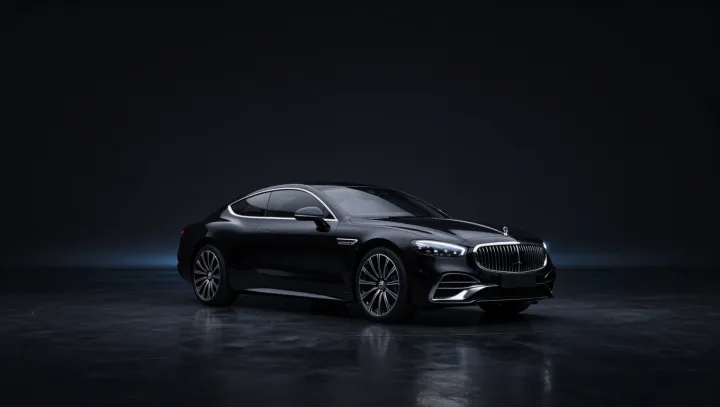
The car itself is not a symbol of freedom; it is a fixed monthly contract on your future attention. Shiny at the dealership, it quickly hardens into non‑negotiable line items: loan payment, insurance premium, fuel, parking, maintenance. Economists call these fixed costs and they quietly compress the discretionary part of a household budget, so any surprise expense feels sharper once the vehicle is in the driveway.
The deeper shock is how badly buyers misprice time. Many expect shorter commutes, yet traffic congestion and induced demand erase much of the gain, converting promised minutes saved into longer, more stressful trips. Cortisol spikes in stop‑and‑go traffic, and what was supposed to be a time‑saving tool becomes a rolling stress chamber, especially when every scratch or unfamiliar noise carries the prospect of an expensive repair.
More insidious is the psychology. Behavioral economics points to optimism bias and mental accounting: people underestimate depreciation and overestimate how often they will use the car in money‑saving ways. Depreciation, fuel volatility, and repair risk are abstract at purchase but painfully concrete once bills arrive. The result is a paradox of mobility: more geographic reach, less financial slack, and a daily reminder that convenience, when financed, can feel like debt on both wallet and nerves.