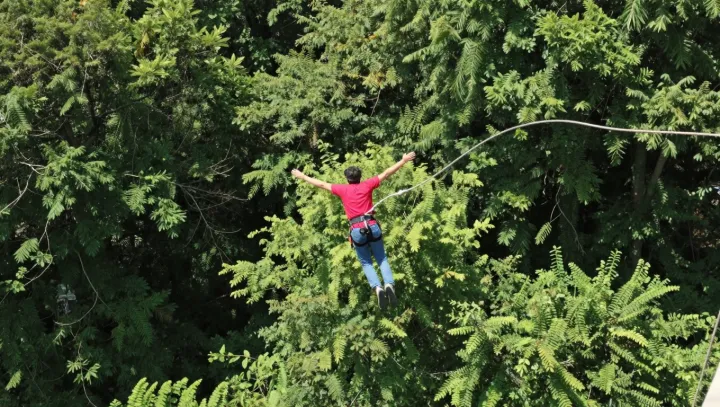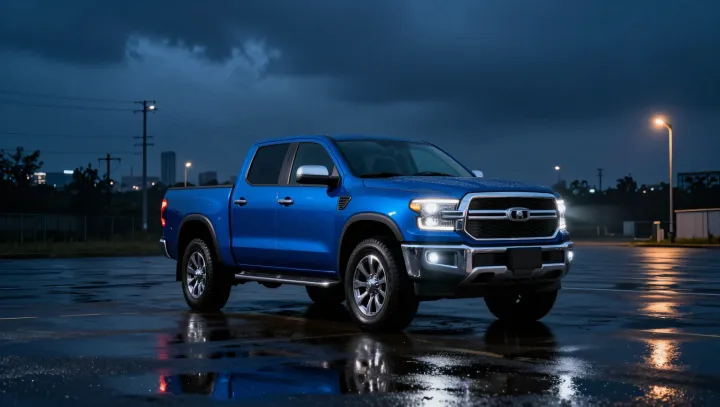

Depth cheats the eye long before any camera sensor does. A flat photo can feel almost touchable when its elements are stacked so the brain is forced into running its depth-perception software, using binocular disparity and perspective projection to rebuild space from a thin slice of reality.
The counterintuitive point is this: sharper gear often matters less than a scruffy object close to the lens. A coffee cup on a café table, a stone on a trail, a railing by a canal, these foreground anchors provide parallax, the tiny shift in relative position that stereopsis relies on to infer distance, even when the image itself is static and two-dimensional.
Equally underestimated is the midground, where the story actually lives. A figure crossing a plaza or a bus edging into a mountain road sets scale, giving the visual cortex reference points for size constancy and occlusion. Behind that, a receding street or ridge line in the background lays out converging lines, letting projective geometry do the heavy lifting that many people wrongly attribute to high-end optics.
What looks like a casual travel snapshot is often a deliberate stack of planes. Photographers nudge viewers along a depth axis by aligning objects so each layer partially overlaps the next, minimizing empty zones that would otherwise flatten the frame, and turning a simple scene into a quiet exercise in spatial reconstruction.