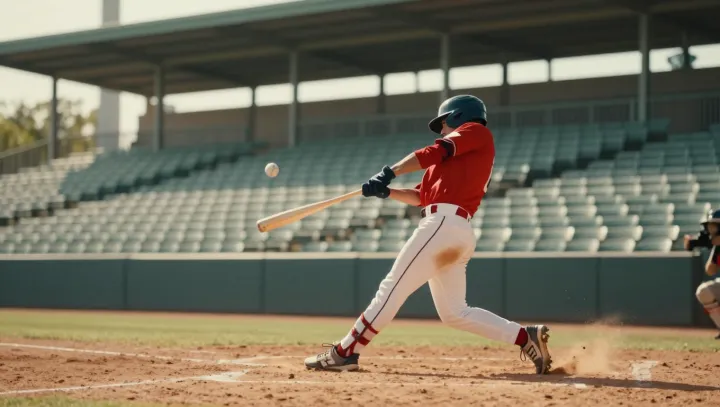
That sideways turn is not style; it is free speed. When a pitcher coils the torso and hides the ball near the chest, the body stores elastic energy in trunk rotation and hip–shoulder separation, rather than asking the elbow and shoulder to do everything alone.
The key is the kinetic chain. Energy starts in the legs, moves through hip rotation, then through the rotating trunk, and only at the end into the arm and hand, so the ball inherits angular momentum that was built by much larger muscle groups. A straight, square delivery truncates that chain, forces higher shoulder torque and elbow valgus load, and produces the same velocity only by pushing the smaller joints closer to their structural limits.
Sideways alignment also stretches the chest and back muscles like a drawn bow. That stretch–shortening cycle gives the shoulder internal rotators a preloaded boost, allowing rapid acceleration without maximal muscular effort. Hiding the ball near the chest keeps the arm compact, shortens the moment arm on the shoulder, and delays external rotation until the torso has mostly fired, so the arm acts as the final whip rather than the lone engine.