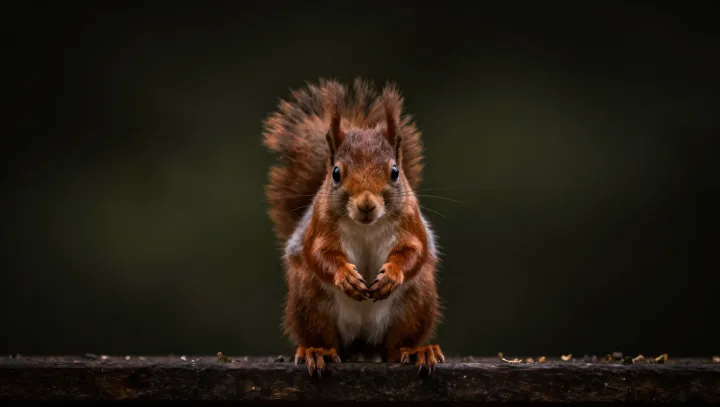
Buried nuts, not majestic trees, run the quiet power game in many forests. Each acorn or hazelnut pushed into soil is a bet on survival, yet the animal placing that bet is not aiming to plant anything at all. Squirrels operate under a simple rule set driven by food scarcity, hoarding energy-dense seeds in scattered caches to hedge against lean seasons, and that crude survival algorithm ends up distributing future forests far more effectively than gravity ever could.
The real surprise is how much of this hoarding fails, and how productive that failure becomes. Field studies on scatter-hoarding show that squirrels forget or abandon a large fraction of buried seeds, while seed predation, pilfering, and mortality thin the rest. Still, enough viable seeds remain in microhabitats with favorable light, soil moisture, and reduced conspecific competition, turning a foraging strategy into a large-scale seed dispersal service that dendrologists can map across entire watersheds.
Ecologists now argue that this is not a cute side note but a hard-edged mutualism. Tree species with large, nutrient-rich seeds, such as many oaks, chestnuts, and hickories, have evolved traits that almost seem designed for scatter-hoarders: thick pericarps, high lipid content, and germination timing that tolerates burial. Squirrels, in turn, show advanced spatial memory and hippocampal enlargement, yet cognitive limits and cache density mean a consistent residue of unclaimed seeds. Those forgotten caches extend gene flow beyond the parent canopy, reshape species composition, and even alter carbon storage patterns at the scale that foresters, not storytellers, now have to reckon with.