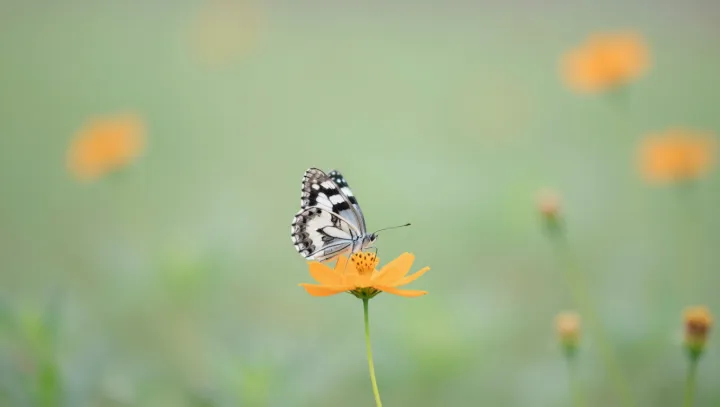
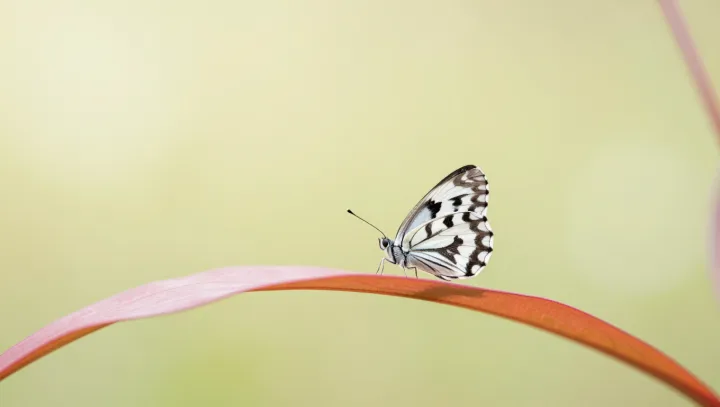
A butterfly’s blur is not a flaw. It is the subject. Light, not the camera body, makes that contradiction workable for photographers who want every scale sharp yet wings that still feel mid‑beat.
The dogma that a fast shutter does all the work is wrong. In most butterfly images, the effective exposure time is set by flash duration, often around one ten‑thousandth of a second or shorter, while the camera shutter simply opens long enough to let that pulse through. High‑speed strobes, run at low power, act like a microscopic guillotine on motion, freezing wing veins and individual scales that continuous light would smear into mush.
Total freeze, though, looks dead. So photographers cheat a little. They allow a sliver of ambient light to register alongside the flash, creating a faint motion blur on the wing tips while the flash locks in the body and near wing edges. Depth of field from a stopped‑down aperture, paired with macro magnification and precise focus stacking in some workflows, keeps the insect anatomically crisp even as those translucent tips arc through space.
The real artistry hides in behavior, not hardware. Many shooters wait for a moment near the top or bottom of a wing beat, when angular velocity briefly slows, then trigger pre‑flash autofocus and high‑speed sync bursts that ride that pause. The frame that survives shows a creature suspended between science and gesture, still enough for scrutiny, restless enough to look alive.