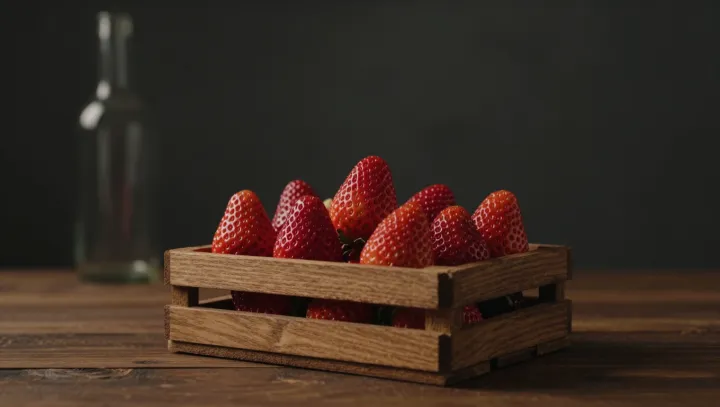
Strawberries look like vitamin lightweights. Their water content is high, yet gram for gram they outscore oranges on vitamin C. Water is not the deciding variable; biochemical budgeting inside the fruit is. Plants channel glucose through the L‑galactose pathway to build ascorbic acid, and strawberries push that pathway hard in their ripening stage.
The key claim is simple: structure beats juice volume. Strawberry flesh is packed with metabolically active cells and air spaces, not just liquid. Those cells maintain intense photosynthate flow and high rates of ascorbate biosynthesis, so the concentration per gram of tissue climbs, even though most of that gram is water. Orange segments, by contrast, are dominated by large juice vesicles that dilute solutes in big fluid pockets.
Another overlooked point is defense strategy. Strawberries invest heavily in antioxidant capacity at the surface, where vitamin C works with anthocyanins to limit oxidative stress from light and oxygen. That defensive allocation raises ascorbate concentration in the edible layer. Oranges spread protective chemistry across thick peel and pith, so the inner juice does not need the same vitamin density. Water fills space in both fruits; metabolic priorities decide what that water carries.