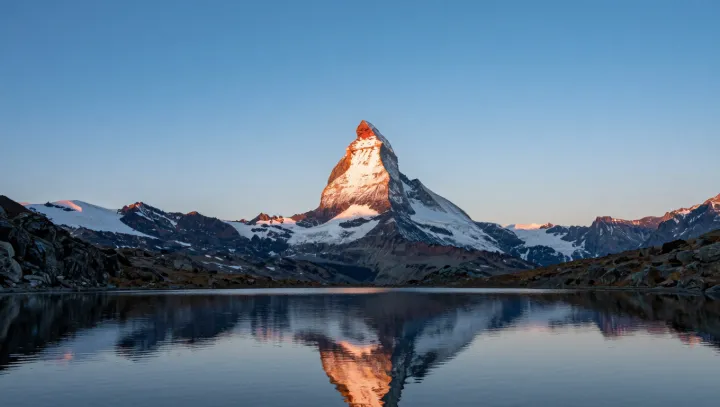
Ice, stone, and forest share one blunt truth: local footprints are not running the show. In the Canadian Rockies, jagged peaks owe more to orogeny and glacial erosion than to hikers or nearby towns, with compressional plate boundaries still dictating elevation, slope, and river direction over large regions.
Antarctica is branded a sanctuary, yet its governing force is radiative balance in the global climate system. Tiny shifts in greenhouse gas concentration and albedo reshape ice shelves, alter katabatic winds, and redirect the circumpolar current, while the continent’s sparse research stations exert almost no measurable influence on ice mass or sea‑salt flux.
The Amazon looks like the counterexample, but is not. Its staggering biodiversity rests on atmospheric circulation and the hydrological cycle: moisture recycling, deep convection, and the Walker circulation move water and heat across continents, feeding rivers and soils long before small riverine communities decide what to plant or fish.
So scientists use the term “last great wildernesses” less as a tribute to remoteness than as a verdict on agency: in these places, geophysics still dominates. Human land use matters at the edges, yet the master variables are plate motion, climate dynamics, and global wind fields, operating far beyond any local jurisdiction.