
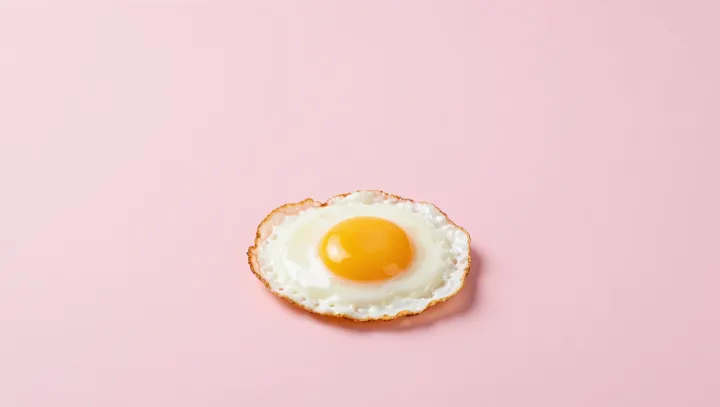
That fragile shell hides one of the most efficient food designs on Earth. An egg is not just breakfast; it is a preloaded growth system, carrying every amino acid needed to build tissue, plus fat, choline, and fat‑soluble vitamins in a compact, low‑waste capsule. Unlike many trendy powders or blends, its protein score hits the top of the biological value charts, which means human bodies use it with remarkable efficiency.
The real advantage, though, is chemical. Albumen is a foaming agent and a heat‑sensitive gel, so the same proteins that protect a forming chick can trap air for meringue and set into custard. Yolk is an outstanding emulsifier; its lecithin bridges oil and water, allowing mayonnaise and sauces to stay stable where simple mixing would fail. Those properties give chefs a built‑in toolkit: lift, structure, gloss, and binding, all from one ingredient.
Economics keeps eggs on the table as much as biology. They store easily, cook in minutes, and shift shape with almost no extra equipment, turning into steamed custards, crisp pavlovas, rich breads, or clear consommés depending on how heat and agitation are applied. In a food culture that constantly chases novelty, that kind of reliable, reversible chemistry is the closest thing the kitchen has to hard currency.