
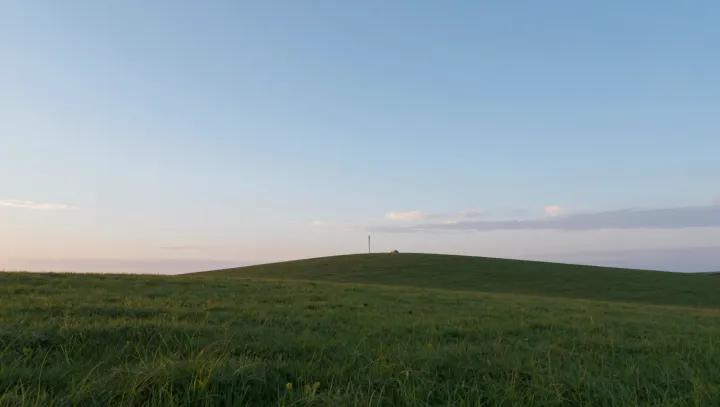
Sun-bleached grass that seems lifeless can outperform dark forest canopies on annual carbon storage. Hidden below those brittle stems, roots drive a massive carbon transfer into soil organic matter, while forests concentrate much of their carbon above ground in trunks and branches vulnerable to fire, insects, or logging.
The sharper claim is this. Grasslands act like underground carbon vaults because photosynthesis feeds deep, fine root networks that die, regrow, and shed exudates into mineral soil, where carbon bonds with clay particles and becomes physically protected from rapid microbial respiration. Forests do fix large amounts of carbon, yet a high fraction sits in biomass that can return to the atmosphere in a single disturbance, whereas grass-dominated systems keep most of their carbon below the flame zone, even when surface fires sweep through.
The more uncomfortable point is that disturbance favors grasslands. Regular grazing, drought, and fire prune shoots but barely touch the entrenched root mass, which keeps pumping carbon downward and rebuilding soil structure. Dense forests can flip from sink to source when heat stress or pests trigger mortality, releasing stored carbon and reducing net primary productivity, while intact grass systems often resume net carbon uptake quickly after shocks, turning apparent emptiness into a durable climate asset.