
Air, not rockets, defines the real risk in orbit. Inside a pressurized module, every exhaled lungful is both waste and raw material, so carbon dioxide scrubbers and oxygen generators work as a single industrial plant wrapped in aluminum. Electrolysis splits reclaimed water into oxygen for breathing and hydrogen for venting or fuel cells, while trace contaminant control keeps reactive chemicals from quietly poisoning the cabin.
Water becomes accounting, not comfort. Moisture from sweat, urine, and exhaled vapor feeds a chain of filtration steps: multi‑filtration beds, catalytic oxidation units, then microbial checks that keep biofilms from colonizing pipes. The product is drinking water, but also feedstock for oxygen production and coolant for thermal control loops that shuttle heat to radiators, since convection is almost absent in microgravity.
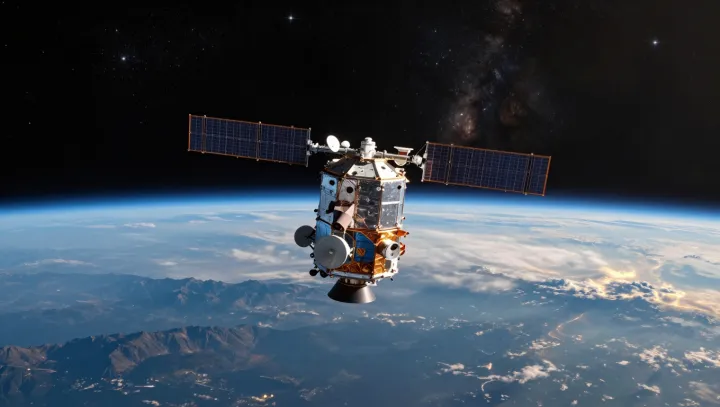
Power is treated like a hostile budget cut. Solar arrays and battery packs supply limited direct current, so smart load‑shedding software, power‑conditioning units, and maximum power point tracking decide which devices live or die in each cycle. Even exhaled heat and equipment waste heat are routed through heat exchangers to stabilize electronics, turning the cabin into a compact ecology of electrons, molecules, and joules that must circulate or be lost forever.