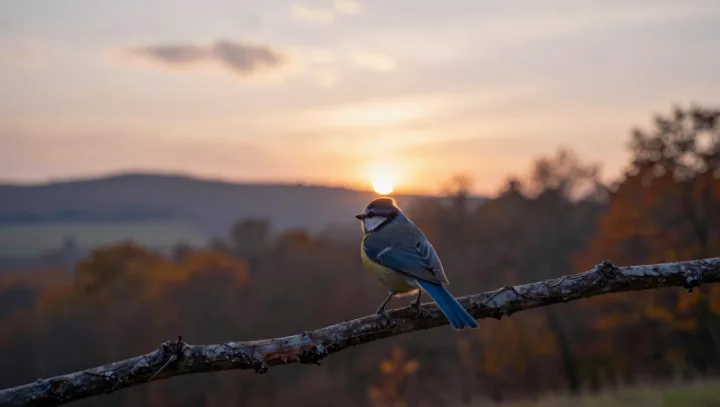
A bare branch in freezing air is not a death sentence for a tiny bird; it is a test of physics that biology has already passed. Beneath those quiet feathers, its core temperature drops in a controlled slide called torpor, a form of regulated hypothermia that slashes energy use while keeping vital organs just above the danger line.
The real trick is not size, but control. By tightening blood vessels in legs and feet, a process known as peripheral vasoconstriction, the bird allows extremities to cool while protecting the chest, heart and brain, shrinking the surface where heat can leak away. Dense contour feathers then lock down, creating a multilayered barrier of still air; that air, not the feathers themselves, becomes the main thermal armor, functioning like a down sleeping bag wrapped around a thimble of muscle.
Energy, not courage, keeps this system running. Inside liver and muscle, metabolic rate spikes before nightfall, packing glycogen and fat reserves that will be burned hour by hour to fuel nonstop mitochondrial respiration. Some species recruit brown adipose tissue for nonshivering thermogenesis, turning chemical energy straight into heat without movement that might waste precious calories. When dawn light hits the eye, hormones shift again, torpor lifts, and the bird steps off that branch looking ordinary, having just threaded a narrow physiological margin that would kill heavier, less finely tuned bodies.