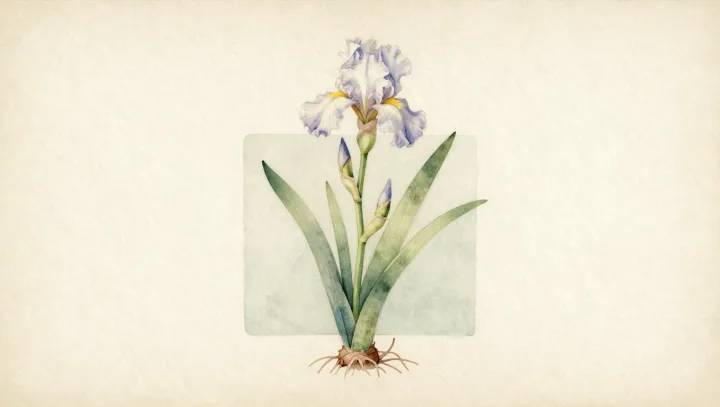
The flower is misdirection. Beneath the soil, a bulb holds a compressed shoot, its leaf bases swollen with reserves that were made during the previous growing spell, long before petals made their brief claim on light. The show is temporary. The storage organ is not: its basal plate, scales, and protective tunic keep a living bud insulated from drought, cold, grazing, and the long dark interval between seasons.
That arrangement is ruthlessly efficient. While leaves are exposed, they capture light and turn it into carbohydrates, then load sugars into phloem for transport below ground, where the bulb converts part of that income into starch or fructans, depending on species. Photosynthesis pays the deposit. Those compounds bind energy in forms that can be mobilized when a shoot must rise before new leaves can earn their own keep. Starch and fructans matter. They also help manage water balance and osmotic pressure, though the exact mix varies among plants.
Dormancy is no passive sleep. Abscisic acid helps restrain premature growth, while gibberellins can promote sprouting when temperature, moisture, and seasonal cues permit the meristem to resume cell division. Timing is everything. In several bulb-forming species, cold exposure alters this balance, a process called vernalization, so roots may establish and flowering can follow when conditions improve. That is the quiet bargain. Above ground, the flower risks wind and frost; below it, a tightly folded future waits in soil, proving that apparent delicacy can be an unusually hard-headed form of survival.