Rock loses at tide. Each breaker forces water and compressed air into joints, and hydraulic action pries the fractures apart until blocks can no longer carry their own weight. Saltwater does not negotiate. Where bedding planes, faults, or old fractures offer entry, repeated impact turns inherited weakness into a retreating cliff face, while the hard rock above waits for support to fail.
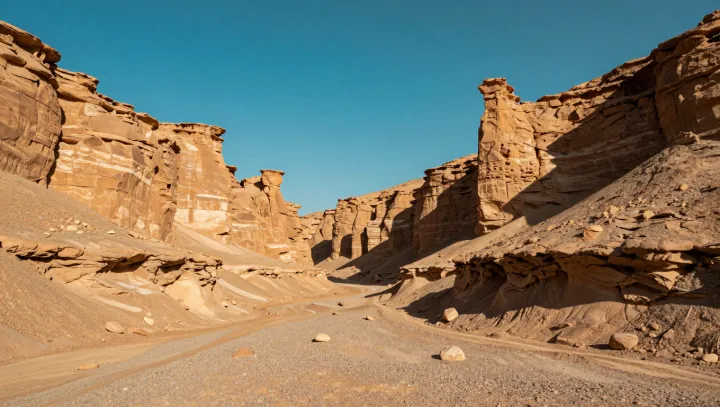
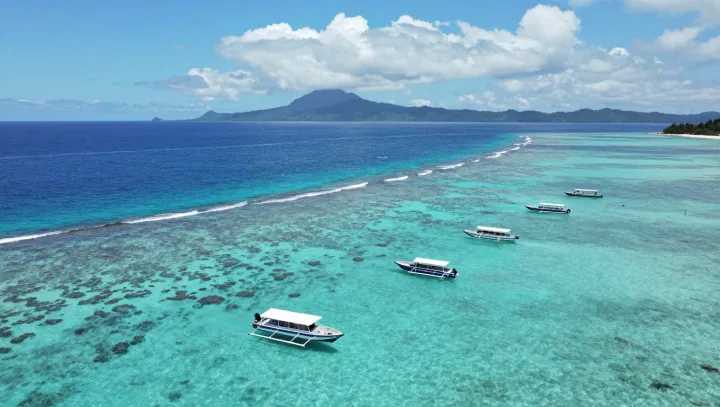
Beauty here is selective destruction. Coasts built from alternating hard and soft strata do not erode evenly: differential erosion leaves resistant rock projecting as headlands while weaker bands become bays and coves, especially where faults intersect the shore. The geometry matters. Strike and dip can steer the pattern, because layers angled toward open water give waves lines of access, while wave refraction bends incoming crests around headlands and focuses force on promontories. Coves get reprieve. Inside sheltered inlets, reduced energy lets sediment settle and absorb impacts that would otherwise deepen the cut.
Postcards hide a costly engine. Sand, pebbles, and broken shell act as cutting tools in abrasion, grinding the cliff foot into notches that undercut the slope; sea caves, arches, and isolated stacks are phases in one erosional sequence, not separate miracles. Gravity finishes it. After rainfall and groundwater raise pore-water pressure, mass wasting sends slabs downward, and the sea removes the debris before it can shield the base from new attack. The sea keeps accounts. At low light, the cove reads less like a gift than a record of rock yielding, grain by grain.