
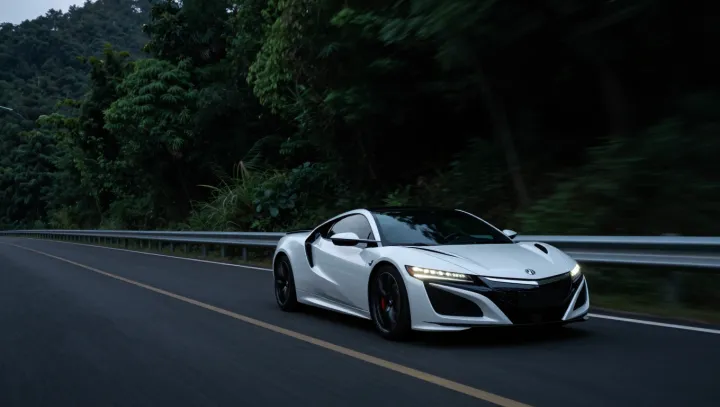
Electric Cars Need More Than Batteries
Electric vehicles cut emissions only when cleaner electricity, durable batteries, and material recovery expand faster than power and mineral demand.
2026-09-29
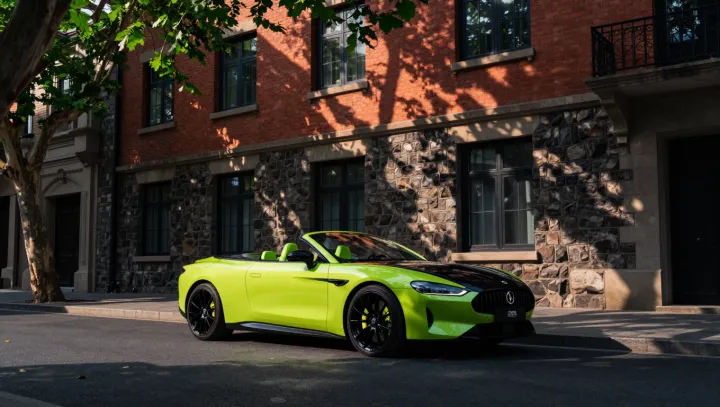
Why Green Cars Look Electric
Curved automotive panels intensify green by creating moving contrasts between specular highlights, shade, and reflected light.
2026-09-28
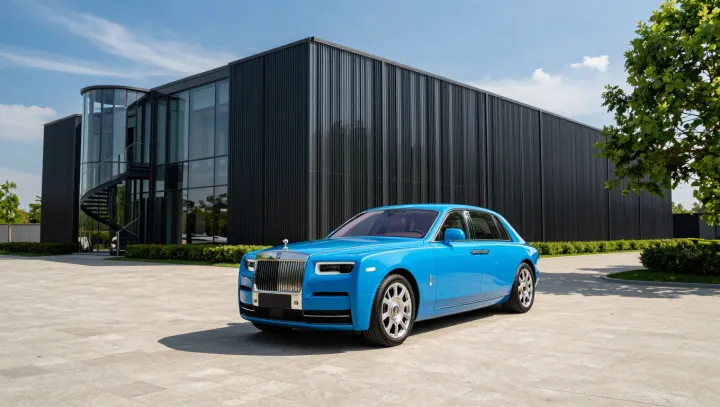
Why a Tall Front End Signals Luxury
A tall front end creates luxury by setting the cabin behind a long visual forecourt, using proportion and packaging cues rather than sheer size.
2026-09-28
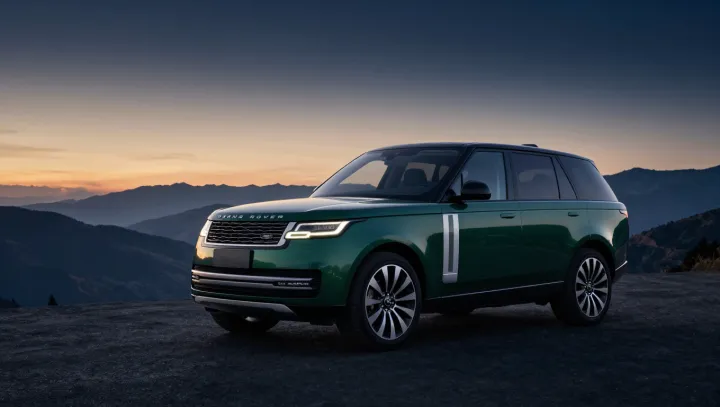
Why Full-Size Luxury SUVs Keep Winning
Full-size luxury SUVs thrive because they merge limousine comfort, practical family room, and a high driving position into one premium, flexible vehicle.
2026-09-28
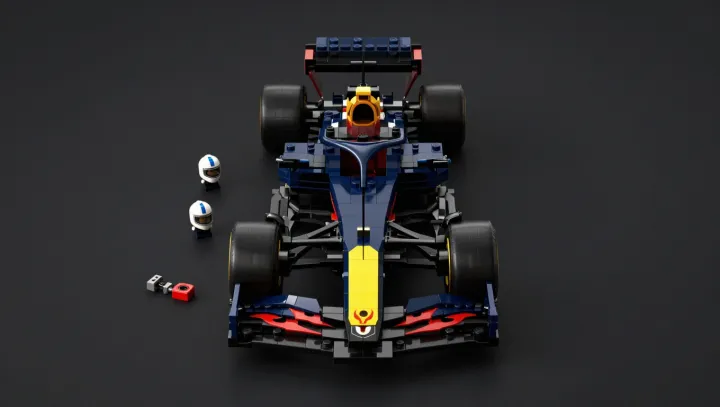
Why Air, Not Paint, Makes F1 Fast
A black-and-blue Formula 1 car draws attention, but wing pressure, Venturi tunnels, and the floor create downforce, grip, and exceptional cornering speed.
2026-09-27
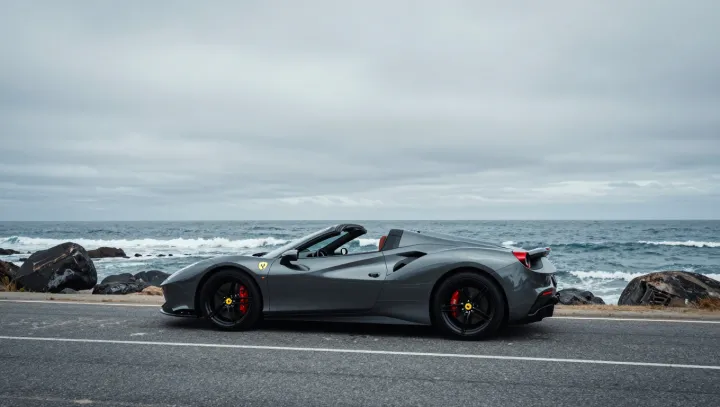
Why Black Makes Supercars Look Sharper
Black paint suppresses surface detail while concentrating reflections into bright edge signals, making supercar curves appear cleaner, tighter, and more dramatic.
2026-09-24
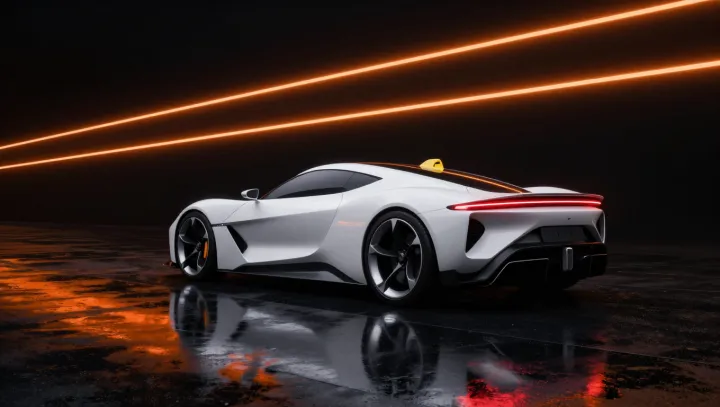
Why Open Cockpits Feel Faster
Open cockpits heighten perceived speed through optic flow, wind, noise, vibration, and body signals, while engine output and vehicle dynamics may remain unchanged.
2026-09-23
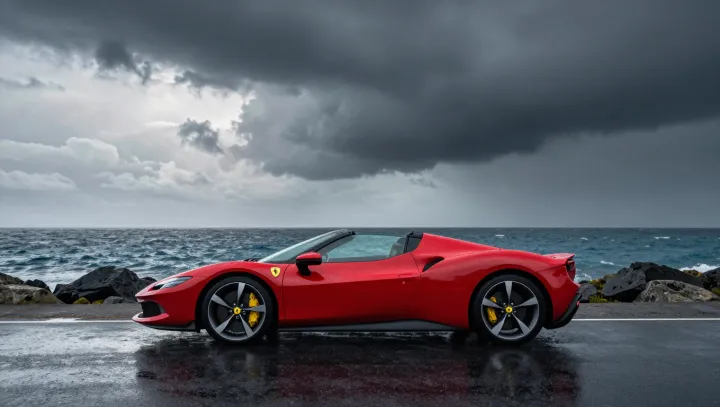
How Ferrari Inherited Its Red
Ferrari did not invent its famous red. It inherited Italy's racing color and, through victories and repetition, turned a sporting convention into formidable brand equity.
2026-09-23
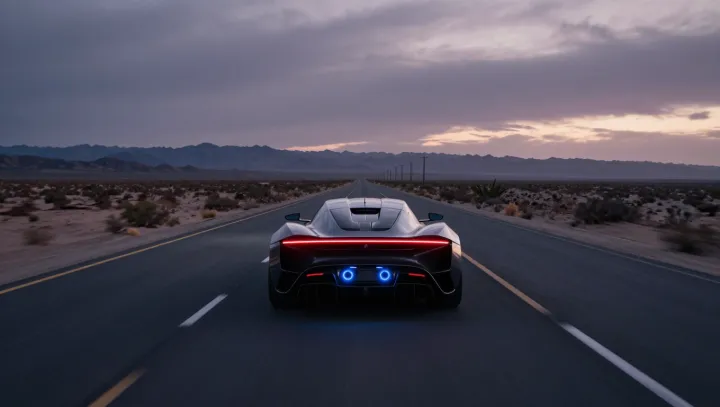
McLaren P1 Wing's Real Job
McLaren P1's active rear wing changes its angle to manage drag and reshape pressure flow, producing added downforce when braking and cornering demand tyre grip.
2026-09-23
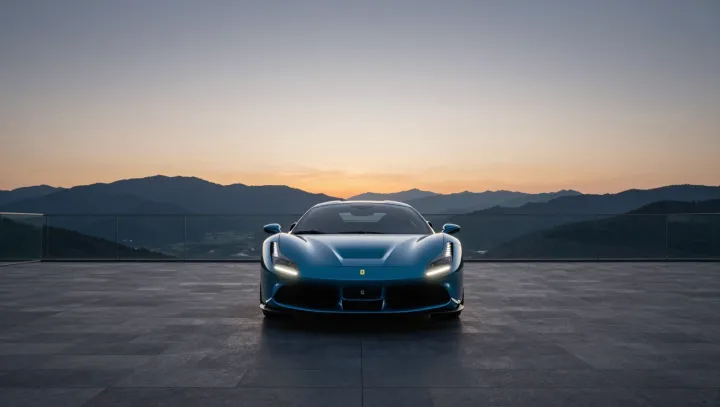
Ferrari's Light Band Rewrites the Face
Ferrari uses a light signature to separate lighting, cooling, aerodynamics, and brand recognition rather than disguising modern hardware behind a vintage-style grille.
2026-09-23
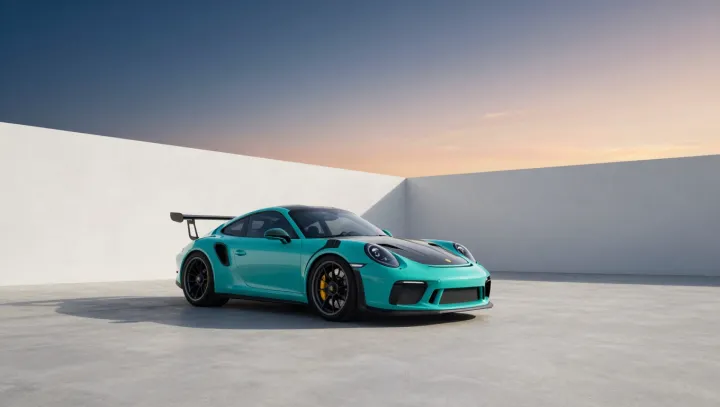
How the 911 GT3 RS Makes Downforce
Active aero, pressure differentials, and carefully routed airflow let the 911 GT3 RS generate race-car-level load while managing drag.
2026-09-23
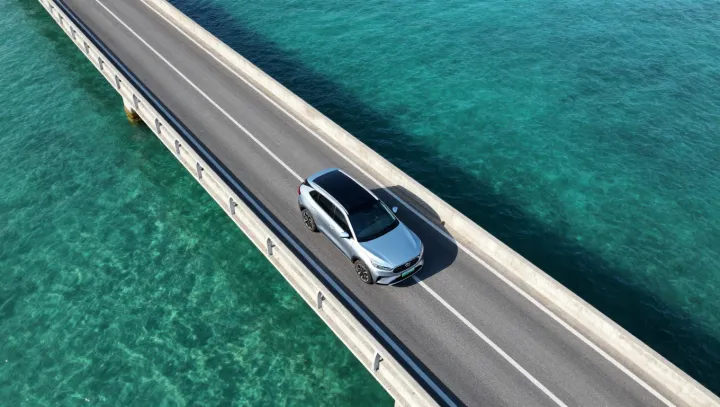
Why Clear Water Looks Turquoise
Clear water can appear turquoise from above because it absorbs red light, transmits blue wavelengths, and reflects light from shallow pale bottoms.
2026-09-22
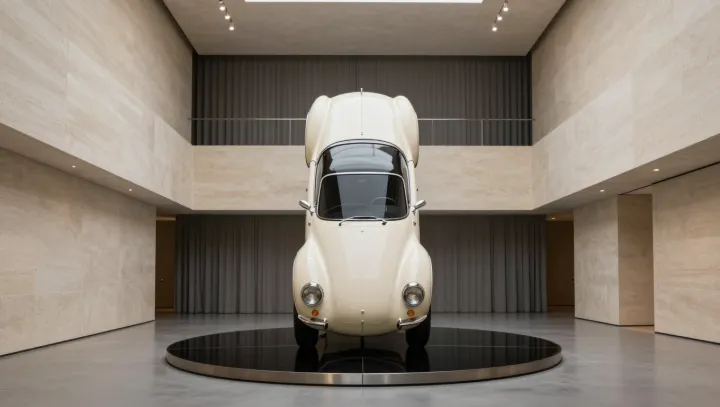
When a Car Stands Like Sculpture
An upright car strips away the expectation of motion, revealing proportion, mass, void, and engineered form as the traits of sculpture.
2026-09-21
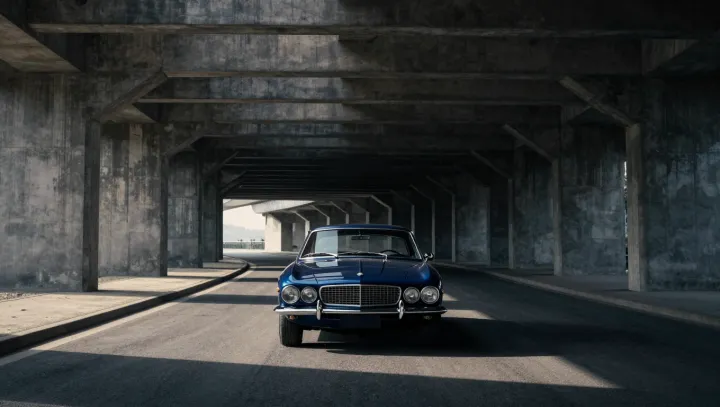
Why Grand Tourers Look Fast at Rest
Long hoods, low rooflines, and rear-set cabins make grand tourers appear ready to move by shaping visual tension, perceived weight, and imagined acceleration.
2026-09-21
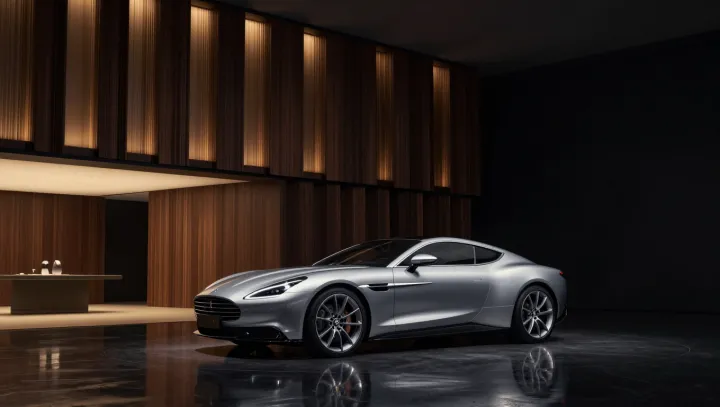
Why Grand Tourers Stay Low Yet Gentle
Grand tourers use aerodynamic bodywork, long wheelbases, and controlled suspension to deliver speed without punishing occupants over distance.
2026-09-21
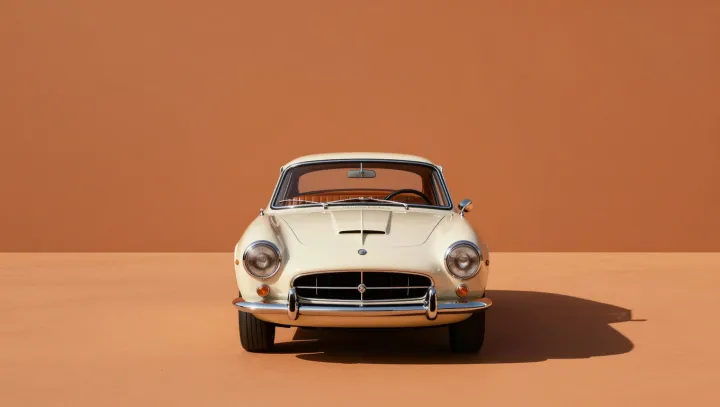
The Calm of Centering
A centered frontal view calms the eye by reinforcing symmetry, reducing visual search, and making a classic coupe feel whole rather than performative.
2026-09-21
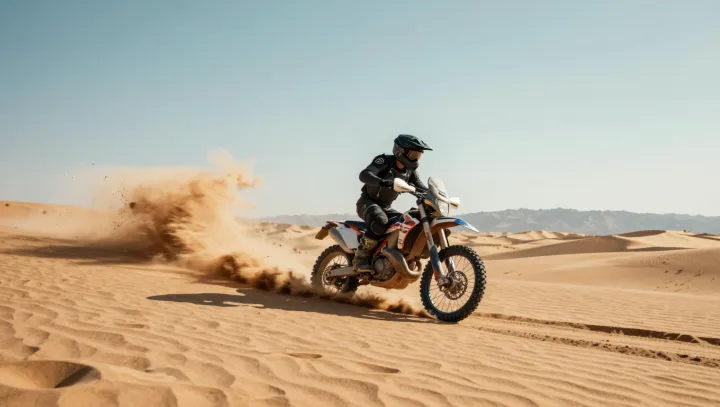
How Desert Bikes Stay Upright in Sand
Desert bikes remain stable by spreading load, limiting sinkage, preserving traction, and using constant steering corrections to manage sand's shifting grain structure.
2026-09-21
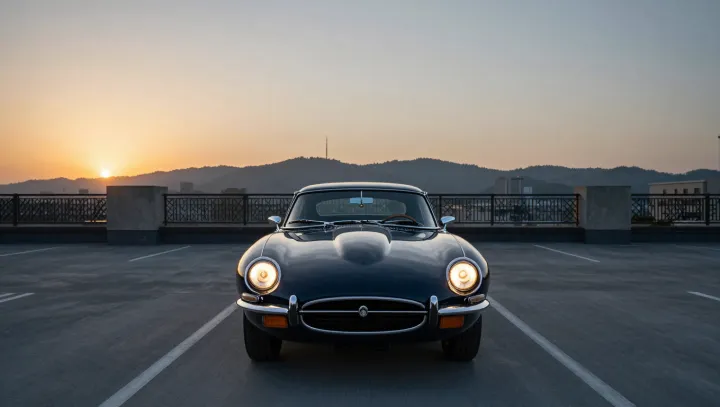
Why Old Sports Cars Own Sunset
A low roofline, long hood, and clean surfaces survive fading light because human vision favors bold silhouettes, broad contrast, and readable reflections.
2026-09-21
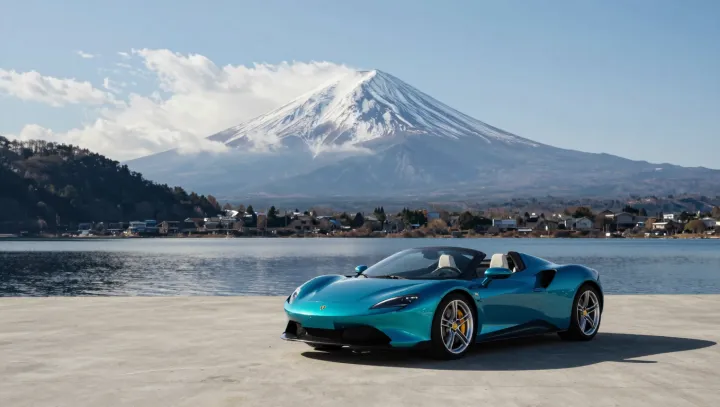
Why Blue-Green Makes Ferrari Forms Pop
A rare blue-green finish compels fresh attention, while spectral reflectance and BRDF make changing light expose Ferrari bodywork that familiar red can conceal.
2026-09-21
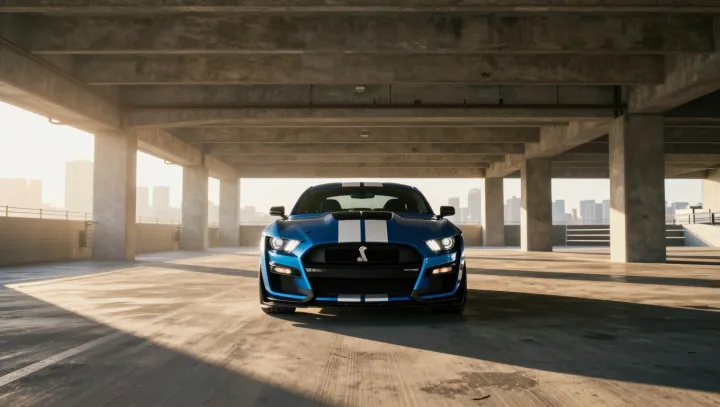
Concrete Ceiling, Hidden Heat
A concrete garage ceiling can absorb and release heat, adding delayed thermal load to cars through radiation and convection.
2026-09-18