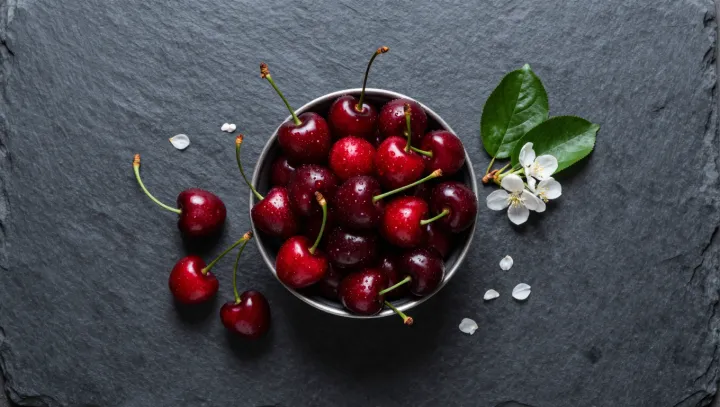
One word on a price board can quietly redraw the fruit aisle. “Cherry” and “chelizi” look identical in English, yet in Chinese markets they signal two distinct products with different biology and different bills at checkout. On one side stands the small, tangy native cherry sold loose in plastic bowls. On the other sits the glossy, jumbo, imported version stacked in branded boxes and pushed as a seasonal luxury.
The split is not a cosmetic rebranding; it is a species divide. Most premium “chelizi” belong to Prunus avium, bred for larger fruit, firmer texture and longer cold-chain survival, while many local “cherry” offerings trace back to Prunus pseudocerasus and related cultivars that handle shorter transport and ripen faster near production zones. That biological gap flows straight into logistics, from controlled-atmosphere shipping and refrigerated warehousing to retail markup strategies that turn the transliterated name into a price signal.
The real surprise is how language locks in consumer expectations. “Chelizi” has become shorthand for dark skin, high soluble solids content and export-style grading, so buyers read the label as a promise of sweetness and status, not just of species. “Cherry” on a cheaper crate, by contrast, cues softness, lighter color and domestic origin, even when cross-breeding has blurred the old horticultural line. In this quiet corner of the produce section, a shared English word no longer guarantees a shared fruit.