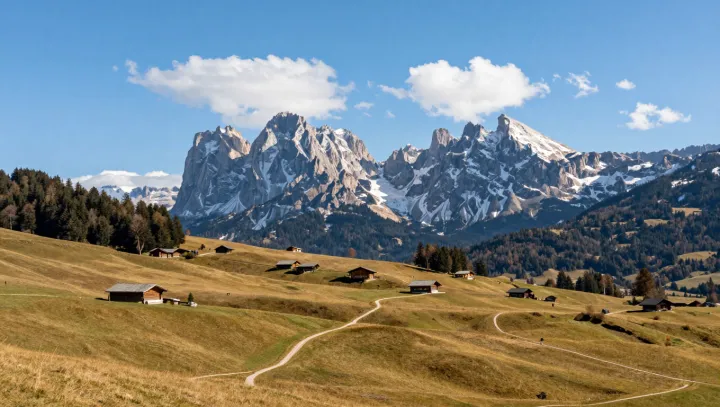

A dirt path often beats a polished gym floor on pure physiology. Steep trails force the cardiovascular system to work near its aerobic threshold while staying low impact for joints, a combination that raises stroke volume and improves endothelial function without the repetitive compression seen in high-intensity indoor classes.
The stronger claim is that hills do more for mood than mood-branded workouts. Uneven terrain and changing vistas drive sensory input that engages the prefrontal cortex and limbic system, while sustained moderate exertion boosts serotonin and brain-derived neurotrophic factor, a biochemical mix linked to lower anxiety and sharper cognitive performance.
Most overlooked is balance. Every rock and root becomes a tiny laboratory for the vestibular system and proprioception, forcing constant micro-adjustments in ankle stabilizers and core musculature; treadmills and fixed machines, by design, strip away that instability, so they rarely train the reflexes that keep older walkers upright when a curb or step goes wrong.