
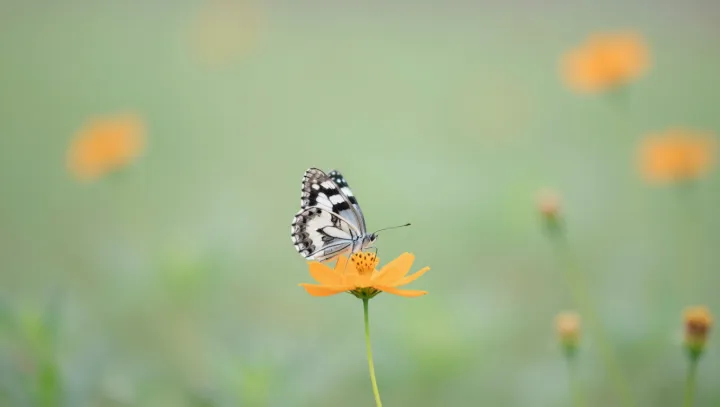
A short adult life is not a failure in butterflies; it is the plan. Some species stretch adult survival for months, yet many compress their entire post-metamorphosis existence into days, an extreme form of what biologists call semelparity and life-history optimization.
The stark trade-off is simple. Energy budgeted to gonads and courtship is energy not spent on tissue repair or digestion. In many short-lived species, the adult gut is reduced, antioxidant defenses are weak, and somatic maintenance pathways such as DNA repair and proteostasis are dialed down. They hatch loaded with lipids and amino acids banked during the larval stage, then run that metabolic account dry while searching for mates and laying eggs.
Predators and parasites make the sprint rational. Selection pressure favors individuals that convert stored larval resources into offspring before they are eaten, infected, or depleted by oxidative stress. Under such conditions, building a robust immune system or long-lasting wings becomes wasted capital. The adult turns into a flying reproductive cell: streamlined, fragile, and, from an evolutionary balance sheet, remarkably efficient.