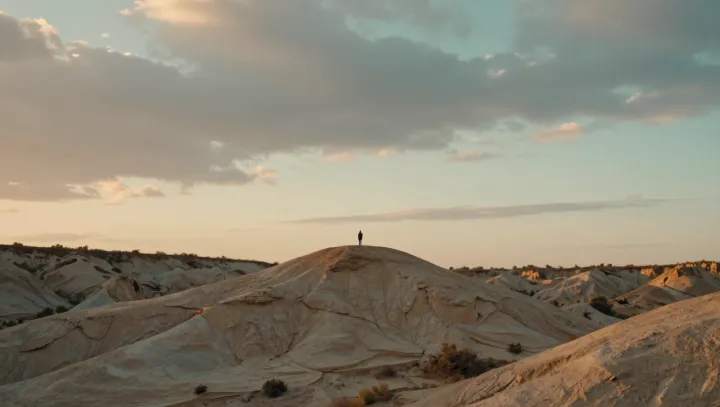
Dry wind, not scorching sun, is often the real threat in the desert. Cool, moving air accelerates evaporation from skin and from the respiratory tract, so the body can lose significant water while core temperature stays deceptively comfortable. Physics drives this: low humidity and high airflow steepen the vapor pressure gradient, turning every exposed patch of skin into a high-output evaporative cooler.
That comfort is the trap. Thermoregulation feels easy, sweat may be invisible as it flashes off the skin, and thirst receptors in the hypothalamus respond late because plasma osmolality rises on a delay. Studies of exertion in arid climates show people can lose several percent of body mass in fluid before they feel a strong urge to drink. In still, blazing heat, discomfort and visible sweat push people to seek shade and water sooner.
So in windy deserts the casual rule “drink when you are thirsty” is a liability. Replace it with a schedule. Start the day well hydrated, then drink small, steady volumes every short interval during activity, aiming to limit body mass loss to under a few percent. Track urine color, keep lips and mouth from drying out, and treat strong thirst as a late alarm, not your primary guide.