
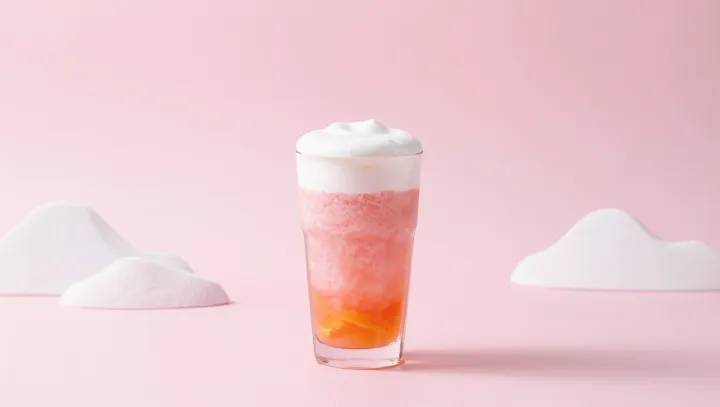
A pink swirl in a glass looks harmlessly nostalgic, yet that strawberry milkshake is a quiet act of cellular risk management. Inside it ride vitamin C and anthocyanins, two compounds that change how your cells respond to the constant trickle of oxidative hits from UV exposure and background radiation.
The bold claim is this: the shake does not just “add vitamins”; it reshapes the chemistry of your intracellular skirmishes. Vitamin C, or ascorbic acid, donates electrons to neutralize reactive oxygen species before they can slam into DNA or lipids, then is recycled by glutathione so the antioxidant network behaves like a closed-loop system instead of a one-and-done shield. In parallel, anthocyanins, the pigments painting strawberries red, lodge in cell membranes and lipoproteins, where their conjugated ring structures soak up free radicals and reduce lipid peroxidation that would otherwise stiffen membranes and disrupt ion channels.
The counterintuitive twist is that these molecules also exploit stress instead of merely blocking it. Mild oxidative signals from UV-triggered hydrogen peroxide still reach transcription factors such as Nrf2, which then upregulate endogenous defenses including superoxide dismutase and catalase, so the cell builds its own biochemical moat rather than relying only on dietary reinforcements. Anthocyanins further modulate inflammatory pathways like NF-kB, keeping repair responses active but not runaway, which limits collateral tissue damage.
So a simple shake will not erase radiation, yet it can shift probabilities: fewer damaged lipids, more resilient antioxidant enzyme systems, and membranes that stay flexible under daily molecular crossfire.