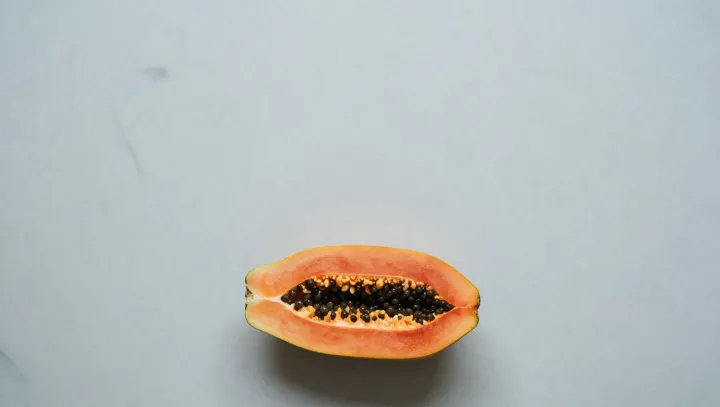
Papaya looks modest, yet it works like a small biochemical lab on a plate. At the center of its digestive claim is papain, a cysteine protease that cleaves long protein chains into shorter peptides and amino acids, easing the workload of gastric acid and pancreatic enzymes in the gut. That mild proteolytic action explains why soft, ripe papaya often feels gentle even for people who report discomfort with heavier, protein rich meals.
More surprising is its status as a vitamin C rival to familiar citrus fruit. A single cup of ripe papaya can exceed standard daily vitamin C recommendations, supporting collagen synthesis and immune cell function through well mapped ascorbic acid pathways. Alongside that sits a dense mix of carotenoids, including beta carotene and lycopene, plus phenolic compounds that act as free radical scavengers, reducing routine oxidative stress and limiting damage to cell membranes and DNA. In one fruit, digestion support, micronutrient density, and antioxidant defense converge with unusual efficiency.