
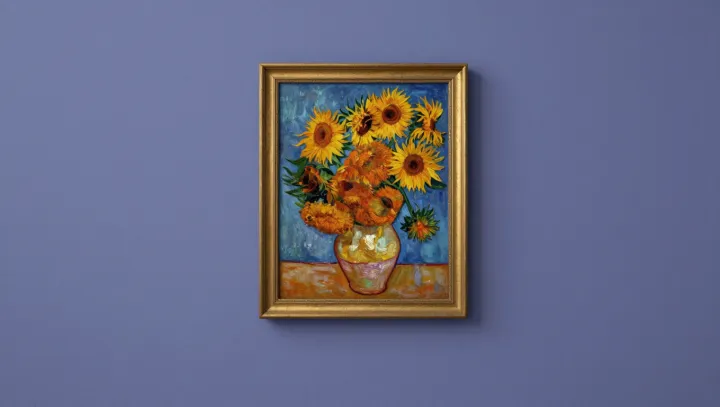
A crooked eye or a twisted room can be better marketing than perfection. In art history, the images that stay lodged in memory often carry deliberate errors in anatomy or perspective, deviations that pull the visual cortex off autopilot and force it into active computation.
The brain, built for survival not gallery etiquette, favors what breaks prediction. When a body is elongated or a floor tilts impossibly, the system of predictive coding in the visual cortex throws a tiny error message, and that error is processed with extra attention, binding the scene more strongly through synaptic plasticity and emotional tagging in the amygdala.
Stylized distortion also acts as a compression algorithm. Instead of recording every rib or tile, the brain stores bold ratios, angles, and asymmetries, a kind of lossy encoding that makes a figure or space instantly recognizable at a glance, across rooms, or even from a badly printed postcard.
So what looks wrong on a textbook mannequin becomes right for human memory. In the gap between optical correctness and neural preference, many of the world’s most quoted images quietly stake their power.