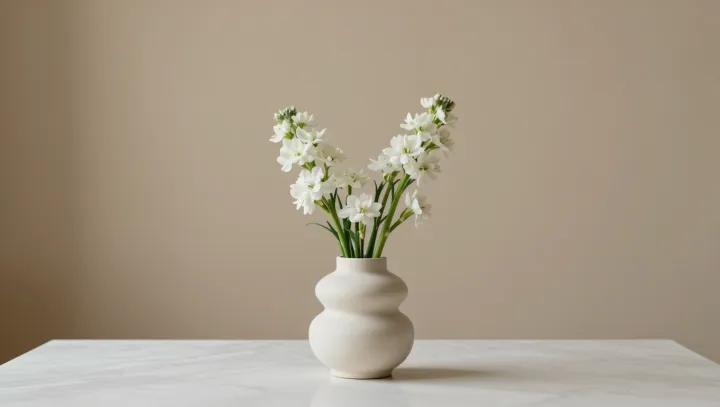
The same yellow bloom does not tell the same story. In Western traditions, the daffodil is treated almost like a seasonal reset button, its early emergence after winter aligning neatly with Christian narratives of resurrection and with agrarian hopes tied to plant phenology and photoperiod shifts.
Yet in parts of East Asia, that identical bulb is shaded by distance and longing. Classical poetry and courtly aesthetics fixate on the flower’s upright stem and slightly bowed corona, reading it as a figure that stands near yet never quite reaches, a visual metaphor that fused with ideals of restrained desire and ritualized separation.
The biology stays boringly constant. Perennial bulbs, temperature cues, meristem renewal. What changes is the interpretive grid built over centuries: Western botanical societies and urban parks promoted daffodils as public emblems of civic optimism, while East Asian painting manuals and lyric anthologies filed them beside stories of waiting, fidelity, and love that cannot speak.
So the split is not in petals or pigments but in narrative infrastructure. Where Western culture sought a cheerful marker of survival after scarcity, East Asian elites used the same morphology to encode emotional discipline, turning one species into two incompatible emotional scripts.