
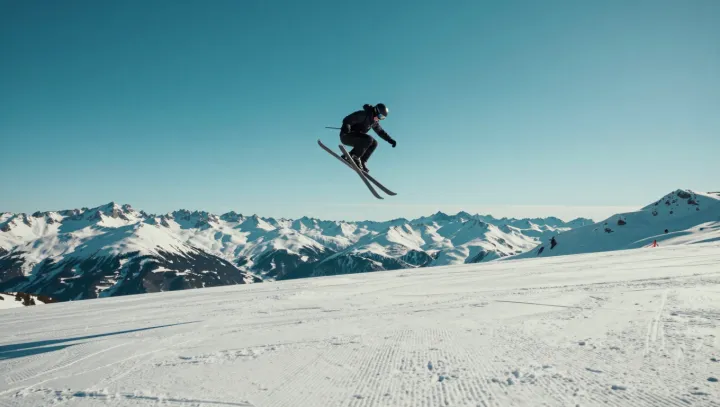
Cold ice, hot engine. A sport that glides in silence can torch calories at a rate that rivals hard running, because the frozen surface is not a shortcut but a multiplier for muscular demand and metabolic stress.
The counterintuitive part is simple: sliding looks easy, yet the body treats it like a full-system drill. Skating forces continuous activation of hip abductors, gluteus maximus, core stabilizers and deep spinal muscles to hold balance while generating lateral push, and that constant isometric tension layered on top of dynamic strides drives oxygen consumption close to the limits of VO2 max for trained skaters.
More severe than it appears is the energy math. Laboratory measurements put high-intensity skating in a range that can rival interval running in metabolic equivalent of task, because each stride must overcome low friction with long force vectors rather than short stomps, while thermoregulation in cold air adds an extra load on basal metabolic rate as the body burns fuel just to keep tissue temperature stable.
Hidden behind the elegance is a coordination tax. Neuromuscular control, proprioception on a narrow blade, and rapid corrections over a hard surface all raise central nervous system drive, which in turn sustains elevated heart rate and stroke volume, so the skater paying attention to edge control is also quietly paying in adenosine triphosphate and glycogen.