Gridlock, not horsepower, sets the real ceiling on urban speed. Shiny dashboards and advanced powertrains claim progress, yet the typical rush‑hour commute crawls at a pace that a bicycle can match or beat. Where demand for road space exceeds supply, the limiting factor is lane capacity and intersection throughput, not the torque curve of the latest motor.
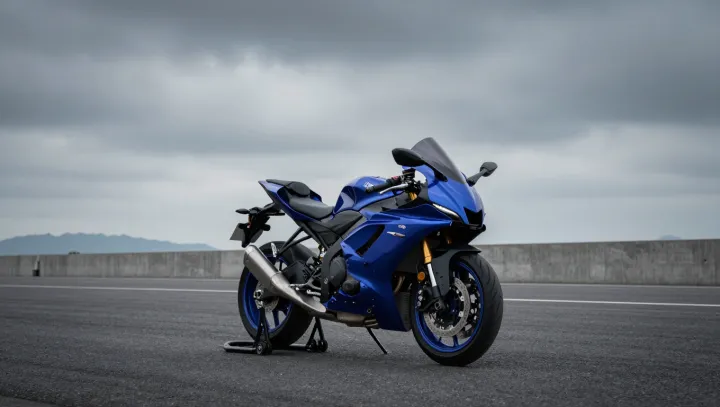
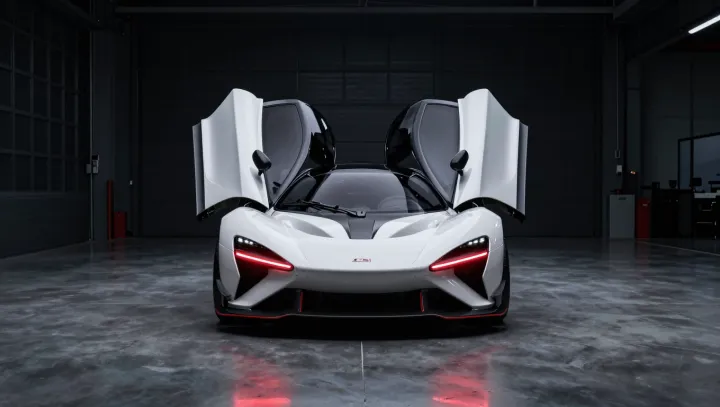
The obsession with quicker machines is less about movement and more about status. Aerodynamic silhouettes and acceleration figures act as social signaling, even though average urban traffic speed often sits barely above that of a tram. Traffic flow theory and queuing theory both show how each extra vehicle increases delay non‑linearly, so one more high‑performance car can slow the entire stream rather than speed any trip.
The smarter‑car narrative also misdirects attention from geometry. Advanced driver‑assistance systems, adaptive cruise control, and high‑resolution sensors can smooth braking and shorten headways, yet a single lane can still carry only a limited number of vehicles before congestion forms. Road space remains finite. Software trims friction at the margins but cannot rewrite the basic math of cars, space, and time.