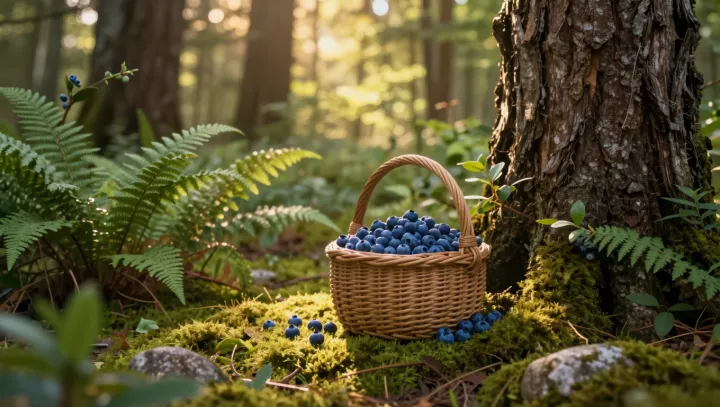
Moss underfoot may be running a quieter, more efficient pharmacy than the dessert menu. A small scatter of wild blueberries concentrates antioxidant capacity in a way most plated sweets simply cannot match.
The blunt truth is that size and shine work against antioxidants. Wild blueberries stay small and slightly stressed by poor soil, strong sun and temperature swings; plant physiologists call this hormesis, and it pushes the fruit to synthesize more polyphenols and anthocyanins. These compounds, measured by assays such as the oxygen radical absorbance capacity and total phenolic content, cluster densely in the pigmented skins. A forest handful offers a high ratio of bioactive molecules to total calories, sugar and fat.
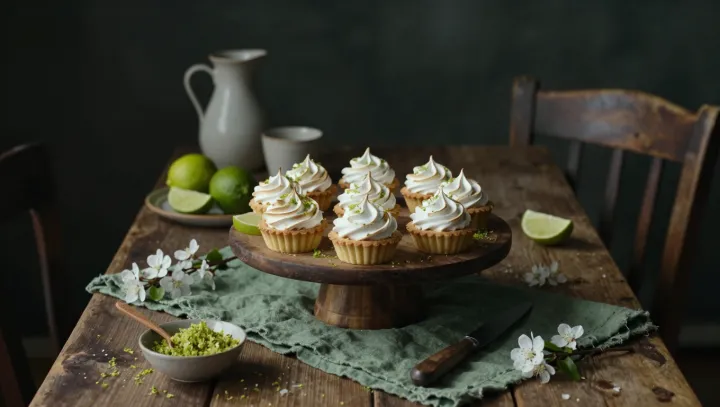
By contrast, the typical restaurant dessert is built to flatter the eye, not the mitochondrion. Refining flour and sugar strips away fiber and micronutrients, while added fat and heat processing dilute or degrade remaining flavonoids through oxidation and Maillard reactions. You still get glucose, triglycerides and a brief dopamine spike, but the antioxidant yield per bite is low. One palm of wild berries, unglazed and unbaked, delivers a compact intervention against oxidative stress and low‑grade inflammation that an ornate slice of cake rarely approaches.