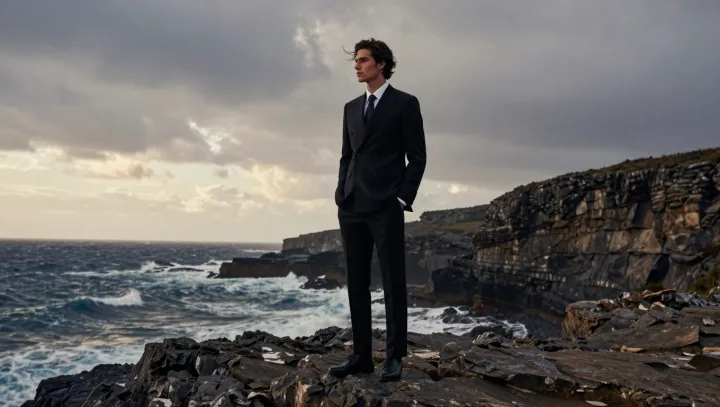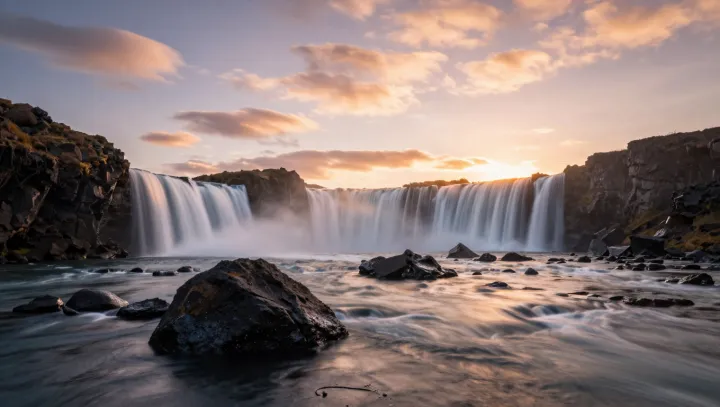
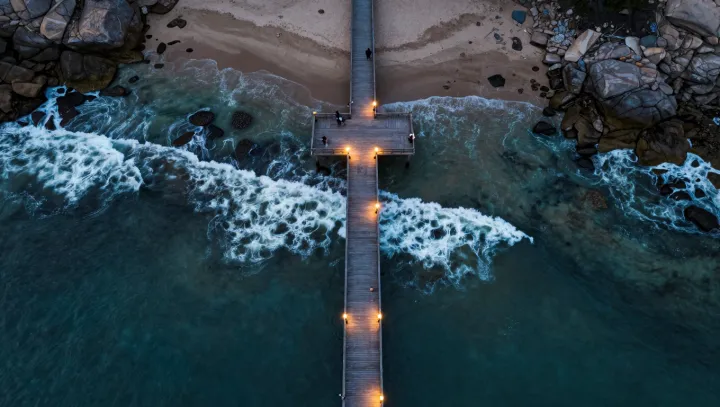
At dusk, water wins. When an observer looks across a calm surface at a shallow angle, the sea directs a chosen slice of the still-lit sky toward the eye, while sand, rock, and buildings scatter the remaining light in many directions. The imbalance can look startling. After the sun has slipped below the horizon, high atmosphere can remain lit because it continues to scatter sunlight.
This is not moonlight. Specular reflection preserves direction of incoming rays, while Fresnel reflectance rises sharply as the viewing angle approaches grazing incidence, allowing a darkening sea to return a concentrated patch of sky luminance. Water makes none. The effect is strongest when the surface is smooth enough to act as a tilted mirror beneath an upper sky still lit by scattered sunlight. Rough water changes the script. Small waves split the reflection into a glitter path, yet many facets can still flash skyward light to the observer.
The shore loses twice. Its diffuse reflection sends weak light broadly away rather than concentrating it along one privileged line of sight. Eyes add the penalty. Visual adaptation and simultaneous contrast can make the land beside a luminous water band seem darker still, especially after the gaze has rested on the fading sky. Conditions still matter. Cloud, wind, shoreline angle, and an observer's position can erase the effect or reverse it; a camera may also render it differently because exposure systems average the frame. Direction masquerades as abundance.