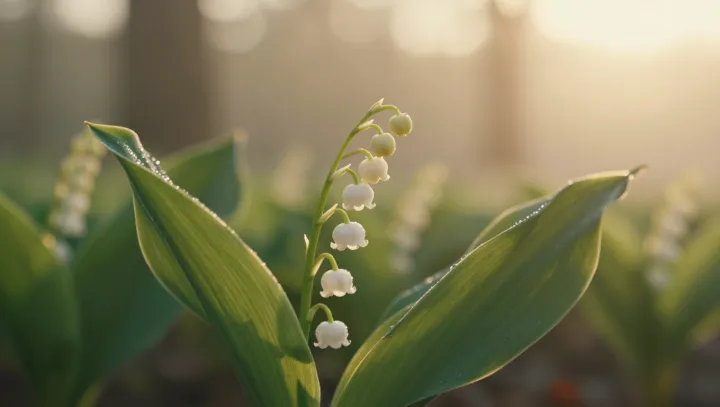
Green leaves can stage a quiet deception, because an organic label speaks to cultivation methods and limits on certain synthetic inputs rather than to the stimulant inside the cup. The label misleads. Caffeine remains a naturally occurring alkaloid produced by the tea plant itself, regardless of whether its leaves were grown under organic standards. That gap matters.
The mistake is basic, yet it persists because packaging can make farming claims feel like health promises. Chemistry still wins. Organic standards govern how Camellia sinensis is grown and handled; they do not interrupt caffeine biosynthesis, the plant pathway that produces the stimulant. No seal rewrites that chemistry. Green tea often contains less caffeine than coffee, but that comparison does not make it caffeine-free. The distinction is practical.
The honest purchase decision is less romantic, since caffeine blocks adenosine receptors and can reduce the signal that helps build sleep pressure. Romance is expensive. Shoppers seeking less stimulation should look for a stated caffeine amount or a decaffeinated product, while remembering that decaffeination usually removes much, not always all, of the compound. Read the caffeine line. Organic cultivation may still matter for residue policy or farm practice. In clear water, the leaf keeps its chemical secret.