
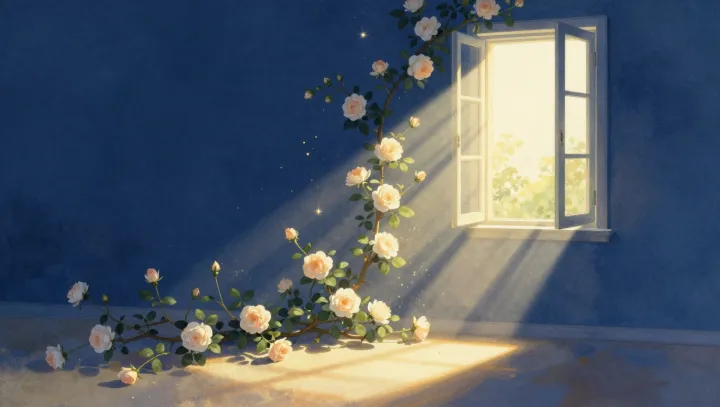
How One Beam Makes Images Cinematic
A focused beam directs the eye, heightens luminance contrast, and uses shadow to suggest depth, distance, and unseen space.
2026-09-29
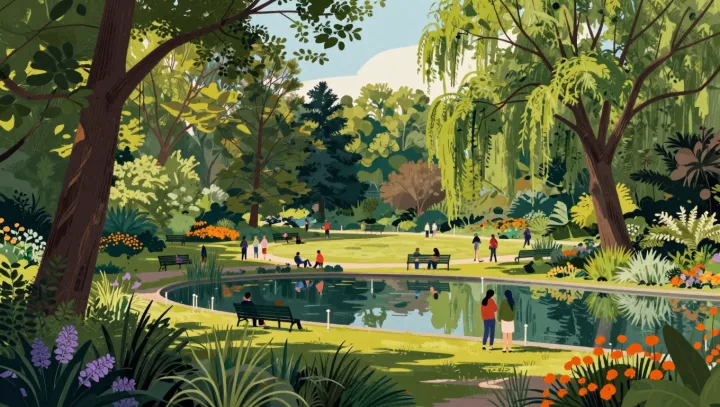
Why a Park Walk Clears the Mind
A short park walk may ease cognitive fatigue by shifting the brain from effortful executive control toward involuntary attention, reducing rumination and supporting mood.
2026-09-29
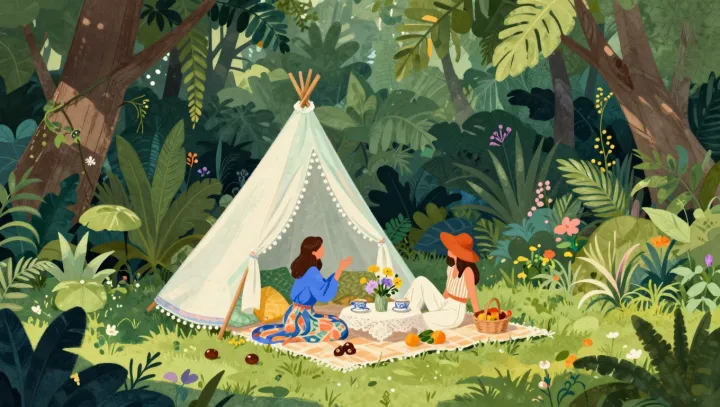
Tent Fabric Cannot Stop Night Heat Loss
Thin tent fabric blocks some wind but provides little insulation against radiative cooling, convection, and conduction after dark.
2026-09-29
When an Empty Beach Becomes Vast
An empty beach gains force through immense scale, sparse sound, and light that continually redraws sand, water, and distance.
2026-09-28

Why the Crescent Moon Becomes a Banana
A crescent Moon can resemble a banana because pareidolia and top-down processing turn a spare illuminated curve into a quick, playful object.
2026-09-28
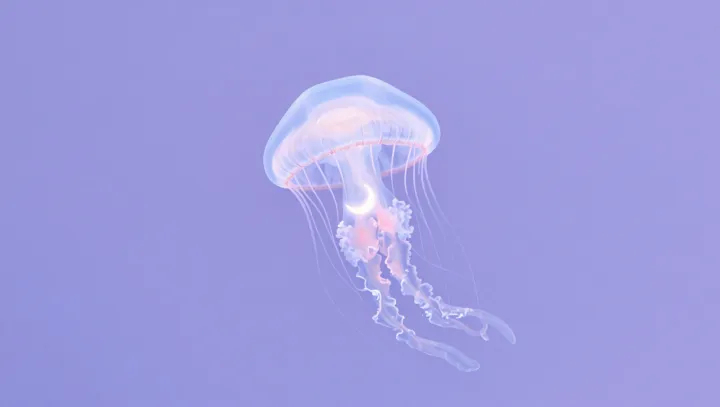
Why Jellyfish Look So Calm in Art
Jellyfish appear calm in art because translucent anatomy, measured pulses, and deep-water associations remove detail while inviting projection.
2026-09-28

Why Pink Feels Unreal
Pink feels unreal when illustrators weaken visual certainty through low contrast, hazy gradients, and symbols that blur depth, scale, and emotional meaning.
2026-09-28

Why Tiny Animals Calm a Forest
A tiny animal can soften the perceived danger of a forest by offering a familiar scale, lowering threat appraisal, and directing attention toward manageable signs of life.
2026-09-28

Sunset Glare Can Flatten a Runway
Low-angle sunlight can erase runway contrast and distort distance cues, leaving pilots to manage glare when visual judgment is under strain.
2026-09-24
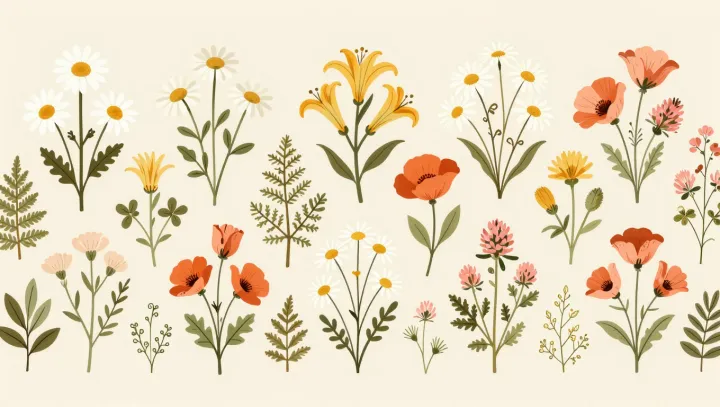
Flowers Speak in Pollinator Color
Warm-colored wildflowers are not arranged for human eyes. Their pigments and ultraviolet patterns target pollinators with sharply different visual systems.
2026-09-24
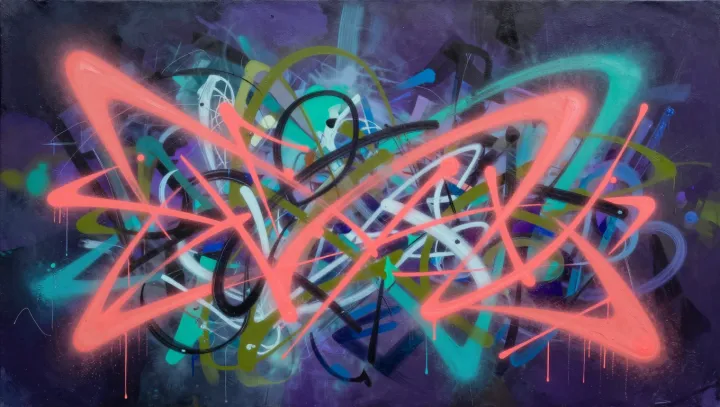
Why Untended Walls Attract Marks
Visible, unremoved graffiti can signal low enforcement and invite social proof, territorial responses, and path-dependent repetition on accessible walls.
2026-09-24

Translation Is Not Localization
Perfect wording cannot rescue software that mishandles dates, money, text length, and local customs. Localization must shape product logic, testing, and user trust.
2026-09-23
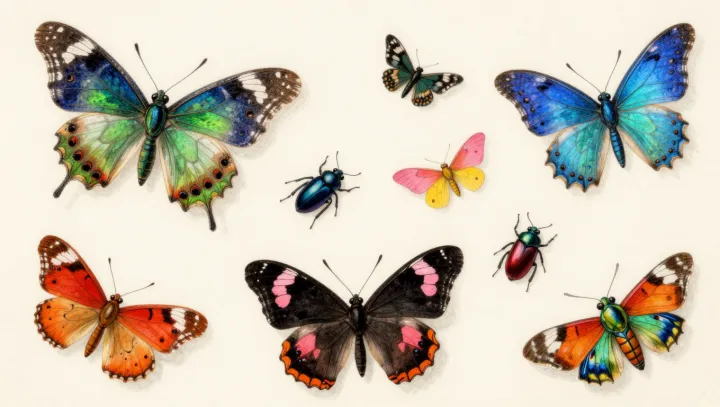
Butterflies Build Color From Light
Butterfly wings often produce color through nanoscale structures that control reflection, interference, diffraction, and scattering rather than through pigment alone.
2026-09-23
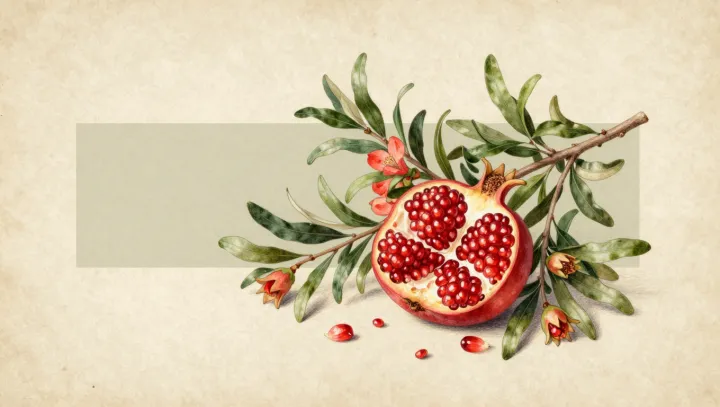
Why Pomegranates Are Berries
Pomegranates qualify as specialized berries because one multicarpellate ovary forms the whole fruit, while the juicy arils are fleshy seed coats around true seeds.
2026-09-23

Why Low Sun Makes Mountains Roar
Low-angle sunlight deepens shadows, exposes surface texture, warms color contrast, and sharpens snowbound relief through illumination geometry and atmospheric scattering.
2026-09-22
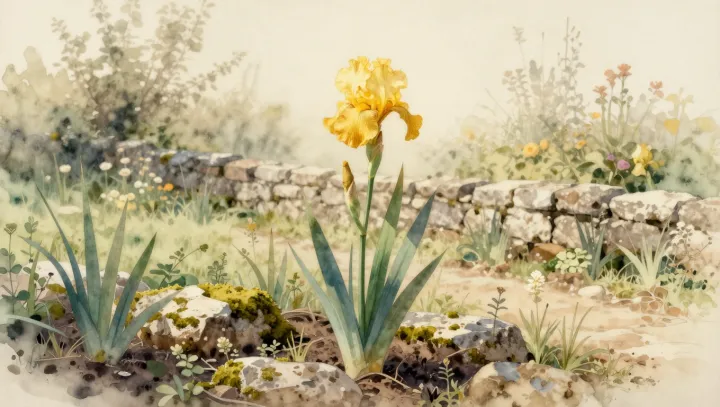
Why Yellow Iris Outshines Old Stone
A yellow iris seems brighter beside aged stone because spectral reflectance and simultaneous contrast make its color stand apart from the wall's muted gray-green tones.
2026-09-22
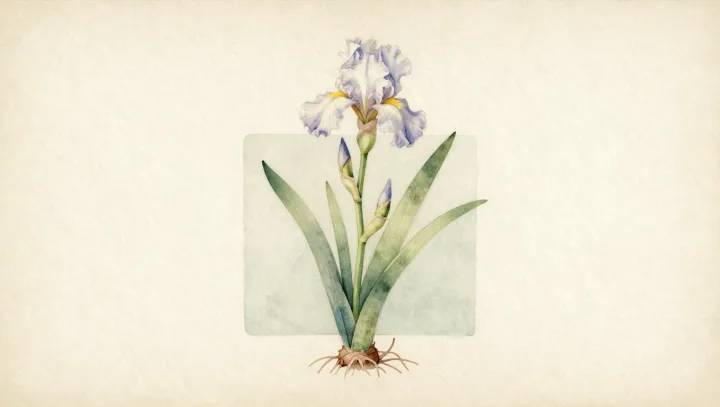
Why Bulbs Outlast Fragile Flowers
Bulbs survive harsh intervals by storing carbohydrates underground, protecting a dormant meristem, and using hormonal and seasonal signals to restart growth.
2026-09-22

Why Glass Shatters and Rose Stems Bend
Glass concentrates stress at tiny flaws and fractures fast, while rose stems distribute strain through layered, flexible biological structures.
2026-09-21
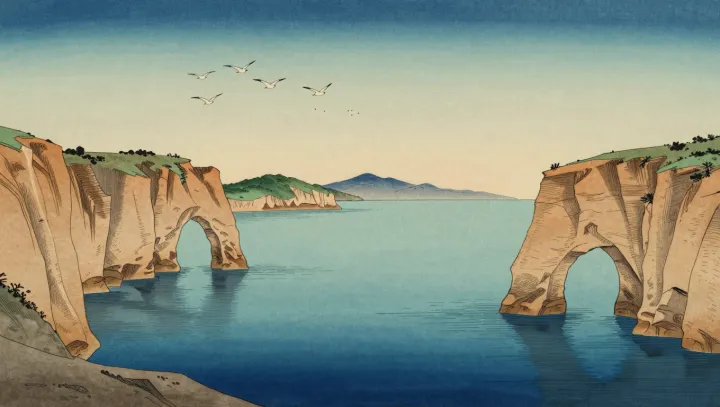
The Print Logic Behind Modern Paint
Woodblock prints taught painters to use flat color, sharp contour, and cropped framing as active tools rather than decorative effects.
2026-09-21
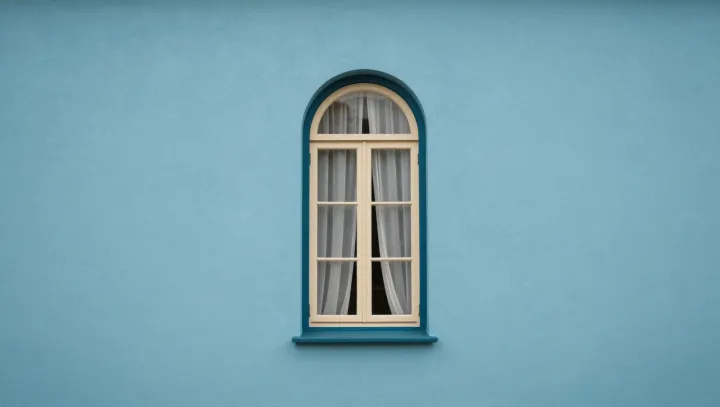
Why a Bare Wall Holds Attention
A lone arched window and moving curtain create hierarchy, contrast, and uncertainty, giving a bare turquoise wall more visual force than crowded ornament.
2026-09-21