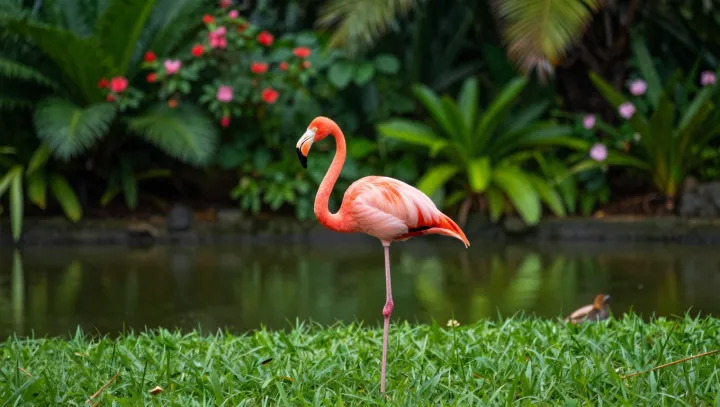
Pink birds are far less loyal to Africa than travel posters suggest. A flamingo is built for vagrancy, and that biology explains why it now stands in mangroves, salt pans and city ponds across half the planet. With hollow bones, broad wings and a cardiovascular system tuned for long, uninterrupted flight, it can climb high above storms and ride fast air currents for hours.
The common claim that flamingos are strictly local is wrong. They are classic facultative nomads, shifting breeding sites as water levels and salinity swing. Storm systems push flocks out over open water; once airborne at altitude, they cross sea channels that look insurmountable on a range map. That is how Caribbean lagoons, Pacific coasts and Andean basins ended up with their own resident birds, each tracking plankton blooms and brine shrimp with uncanny precision.
Even the odd birds in Europe and North America are not pure accidents. Some descend from zoo escapees and private collections, but others are wild visitors exploiting wetlands that mimic African soda lakes, with similar alkalinity and invertebrate density. Strong site fidelity to productive feeding grounds then locks in small but persistent colonies, turning a supposedly exotic symbol of African lakes into a quiet cosmopolitan of global shorelines.