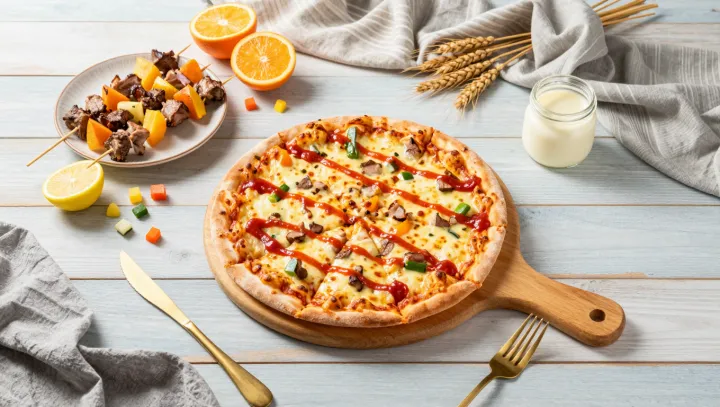
Cold pizza cheats your memory. The slice in the fridge is not the slice you ordered; it is a chemically reorganized version with its chaos dialed down. As the pie cools, the molten fat in cheese and toppings solidifies, trapping flavor molecules and slowing oxidation, so salt, acid, and umami stop fighting for your attention all at once.
What tastes “better” is often better control. Retrogradation of starch in the crust tightens its structure, pushing out water and giving each bite a firmer snap instead of a limp, steam‑soaked base. That drier matrix changes how saliva breaks down amylose and amylopectin, which shifts sweetness and makes the browned, Maillard‑reaction notes on the surface stand out more clearly against the background dough.
A cooler slice also edits the aroma. Volatile compounds from tomato sauce, garlic, and oregano evaporate less aggressively at low temperature, so your nose gets a slower, steadier feed rather than a blast of steam. With trigeminal heat from bubbling cheese muted and fat no longer scorching your tongue, taste receptors for glutamate, sodium ions, and organic acids can work without overload, which is why a day‑old wedge from a cardboard box can feel oddly precise, even upgraded.